
Tylenol And Motrin Alternating Chart
Tylenol And Motrin Alternating Chart - If possible, use weight to dose; Web yes, you can safely take acetaminophen and ibuprofen together in most cases. Web *tylenol should not be given to infants under three (3) months of age, unless recommended by their physician. • don’t give your child more than 5 doses in 24 hours. Web the best way to alternate taking acetaminophen (example tylenol) and ibuprofen (example advil/motrin) is to take them 3 hours apart. Some evidence suggests prolonged use of tylenol and motrin together may increase the risk of upper gastrointestinal bleeding more than motrin alone. Web tylenol ® and motrin ®, the pain and fever relief brands that pediatricians recommend most. Treating your child's fever with acetaminophen or ibuprofen can make your child more comfortable but will not make the infection go away any faster. † for pediatric products only. It is estimated that 80 percent of children will have a decrease in. A healthcare provider may sometimes recommend a combination of both tylenol (acetaminophen) and motrin (ibuprofen). Visit motrin®.com for additional product information. Here's how to safely alternate between these two. Web to treat serious illness, a health care provider might recommend they take both ibuprofen (advil or motrin) and acetaminophen (tylenol). Nsaids are useful for treatment of acute and chronic painful and inflammatory conditions and may reduce opioid requirements. Do not take more than 6 tablets per day. The doses are based on a child’s weight. Adults and children 12 years of age and older—2 tablets every 8 hours as needed. Acetaminophen is used to relieve pain and reduce fever in patients. Web acetaminophen in a dosage of 10 to 15 mg per kg every four to six hours to treat fever in children is safe and effective. Web the benefits of using an nsaid and acetaminophen concurrently or alternately have been suggested owing to the potential for synergism of antinociceptive effects and also the convenience of having a further analgesic for pain that has not responded to. • don’t give your child more than 5 doses in 24 hours. Pediatric care center acetaminophen and ibuprofen dosage charts.. Treating your child's fever with acetaminophen or ibuprofen can make your child more comfortable but will not make the infection go away any faster. Web the best way to alternate taking acetaminophen (example tylenol) and ibuprofen (example advil/motrin) is to take them 3 hours apart. Web yes, you can safely take acetaminophen and ibuprofen together in most cases. • don’t. For example, if you take ibuprofen at 6 am you can then take tylenol at 9 am. Both these drugs are effective. Acetaminophen is used to relieve pain and reduce fever in patients. Tylenol can be given every 4 hours (tylenol = acetaminophen) **please note chewable tablets are available in two strengths **. † important instructions for proper use. Web for oral dosage form (tablets): Here's how to safely alternate between these two. Web to treat serious illness, a health care provider might recommend they take both ibuprofen (advil or motrin) and acetaminophen (tylenol). Web if you give your child acetaminophen or ibuprofen, be sure to follow these important guidelines. † important instructions for proper use. Concentrated infant drops (80 mg. Web if you give your child acetaminophen or ibuprofen, be sure to follow these important guidelines. Web tylenol ® and motrin ®, the pain and fever relief brands that pediatricians recommend most. Ibuprofen (advil®, motrin®, or another brand) give every 6 to 8 hours as needed; Do not give more than 5 doses in 24. † important instructions for proper use. In fact, taking these two medications together seems to work better than prescription opioids to relieve certain types of pain. Because the medications have distinct side effects, though, it’s important to consult a healthcare provider and ensure. Web however, there are some exceptions: Web *tylenol should not be given to infants under three (3). Web the benefits of using an nsaid and acetaminophen concurrently or alternately have been suggested owing to the potential for synergism of antinociceptive effects and also the convenience of having a further analgesic for pain that has not responded to. Web *tylenol should not be given to infants under three (3) months of age, unless recommended by their physician. †. Because the medications have distinct side effects, though, it’s important to consult a healthcare provider and ensure. Acetaminophen is used to relieve pain and reduce fever in patients. Web if you give your child acetaminophen or ibuprofen, be sure to follow these important guidelines. This dosing recommendation from your healthcare professional. Web acetaminophen in a dosage of 10 to 15. Web almost one half of physicians recommended acetaminophen every four hours and ibuprofen every six hours. Do not take more than 6 tablets per day. Acetaminophen is used to relieve pain and reduce fever in patients. Children’s suspension liquid (160mg/5ml) children’s chew tablets 80mg each. Just be sure to stay within the recommended daily dosages of each medication. Ibuprofen (advil®, motrin®, or another brand) give every 6 to 8 hours as needed; Fever is the body’s normal response to infections and is usually not a cause for concern. Web use this chart to determine the proper dose of motrin® for your patient. Do not give more than 4 doses in 24 hours. Web for oral dosage form (tablets): Visit motrin®.com for additional product information. Web tylenol ® and motrin ®, the pain and fever relief brands that pediatricians recommend most. Web use this chart to determine the proper dose of motrin® for your patient. In fact, taking these two medications together seems to work better than prescription opioids to relieve certain types of pain. There is an inevitable chain of thought that comes with the onset of a fever in your little one. Web to treat serious illness, a health care provider might recommend they take both ibuprofen (advil or motrin) and acetaminophen (tylenol). Children’s suspension liquid (160mg/5ml) children’s chew tablets 80mg each. Web *tylenol should not be given to infants under three (3) months of age, unless recommended by their physician. Give with food to lower risk of upset stomach. • check the concentration of medication you have. Adults and children 12 years of age and older—2 tablets every 8 hours as needed. † important instructions for proper use. Treating your child's fever with acetaminophen or ibuprofen can make your child more comfortable but will not make the infection go away any faster. A healthcare provider may sometimes recommend a combination of both tylenol (acetaminophen) and motrin (ibuprofen). Each tablet contains 250 milligrams (mg) acetaminophen and 125 mg ibuprofen. Do not give more than 5 doses in 24 hours.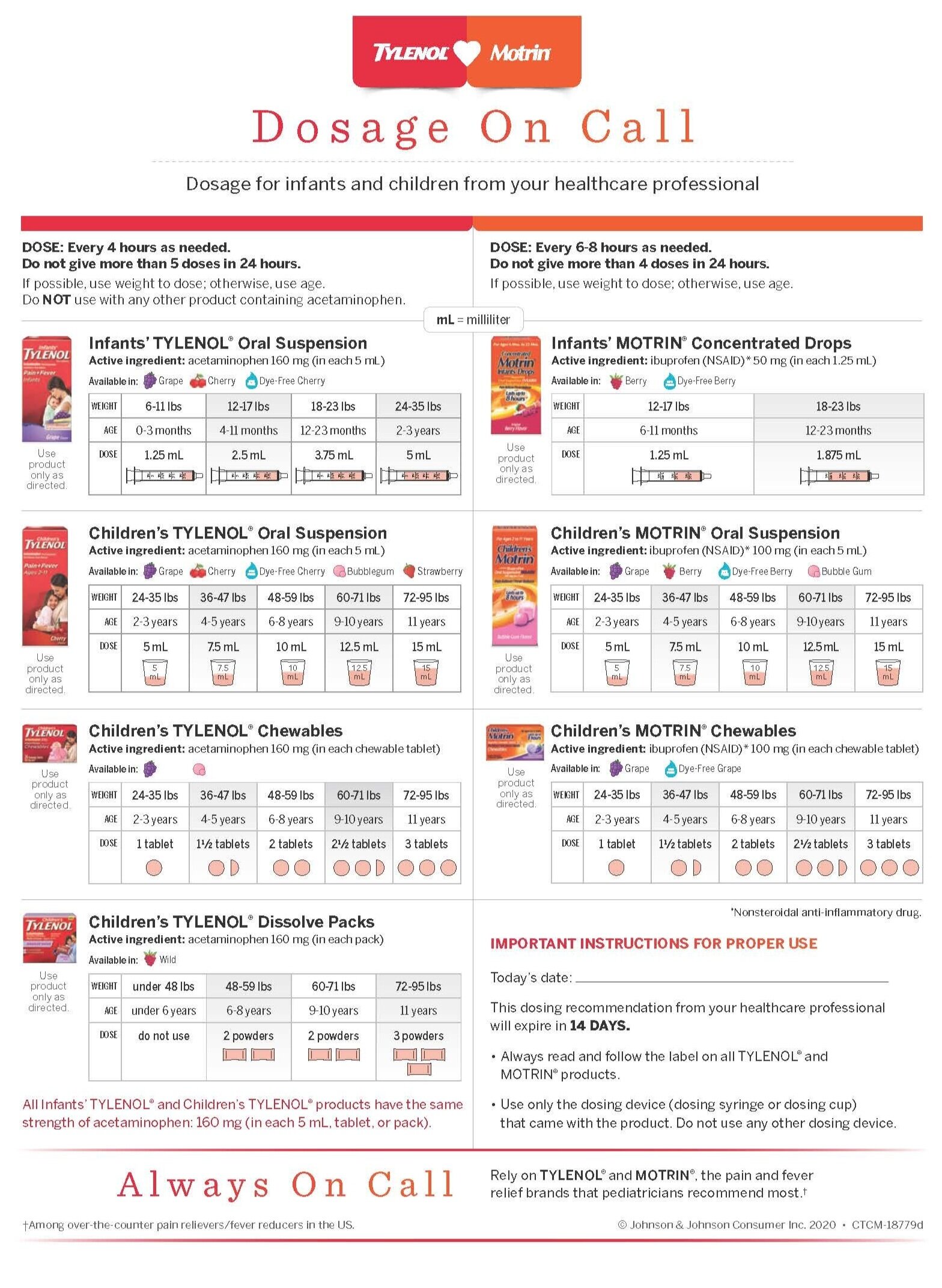
Eastern Carolina Pediatrics Health Resources

Home Care Fact Sheet Influenza
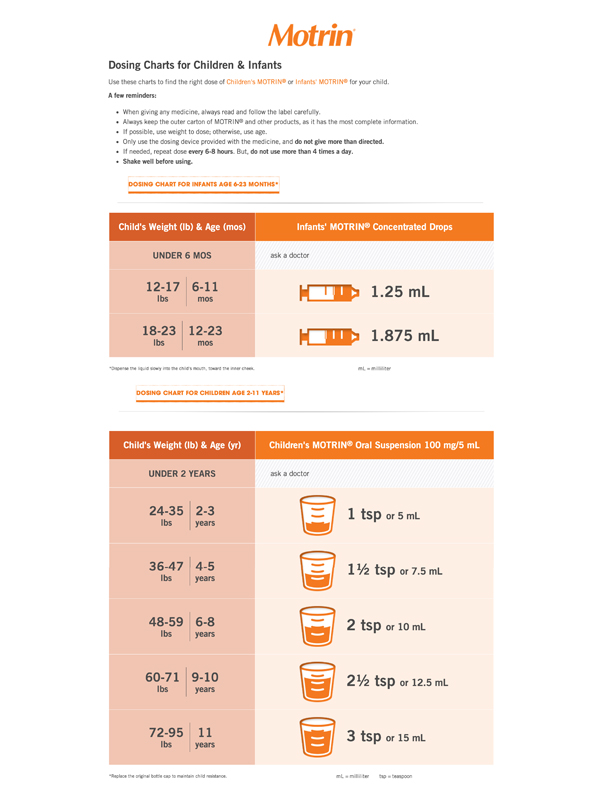
overthecounter medications & dosage chart for Tylenol® and Motrin
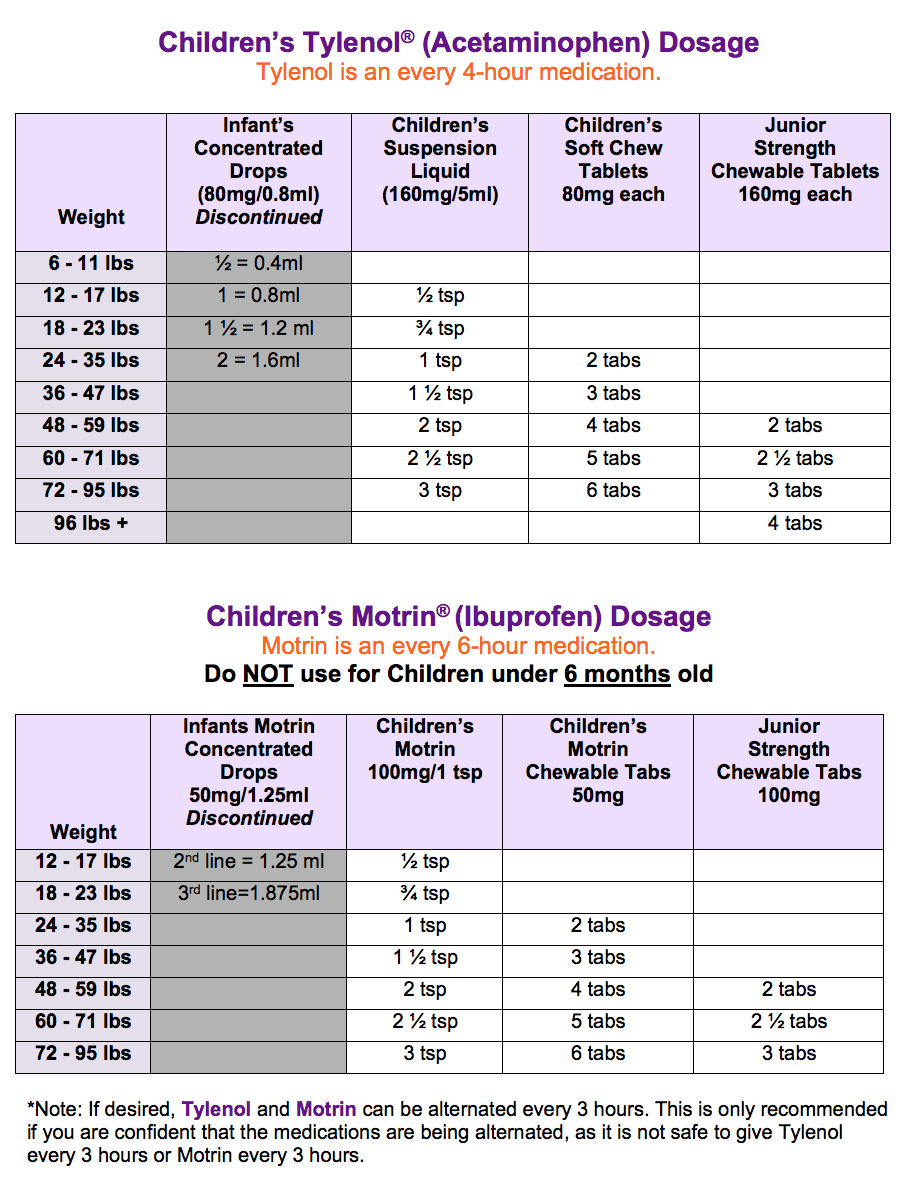
Tylenol and Motrin Dosage Chart Forest Lane Pediatrics LLP

Important Update on pediatric TYLENOL® and pediatric MOTRIN® dosing

Tylenol and Motrin Dosage Chart Forest Lane Pediatrics LLP
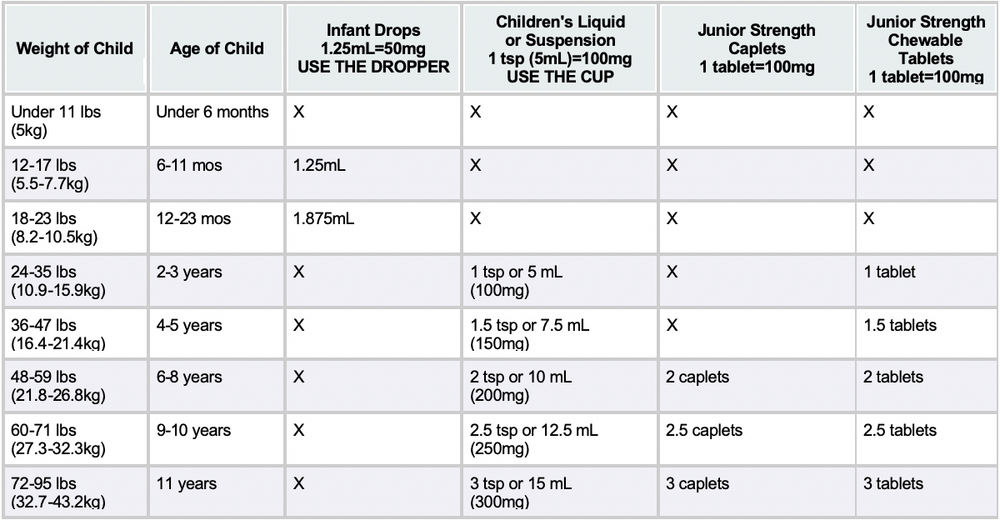
Dosage Chart Columbia Basin Pediatrics

Tylenol and Motrin Dosing Dr. Jenny Welham Board Certified Pediatrician

tylenolmotrindosingoncallen Children's Clinic of Pueblo
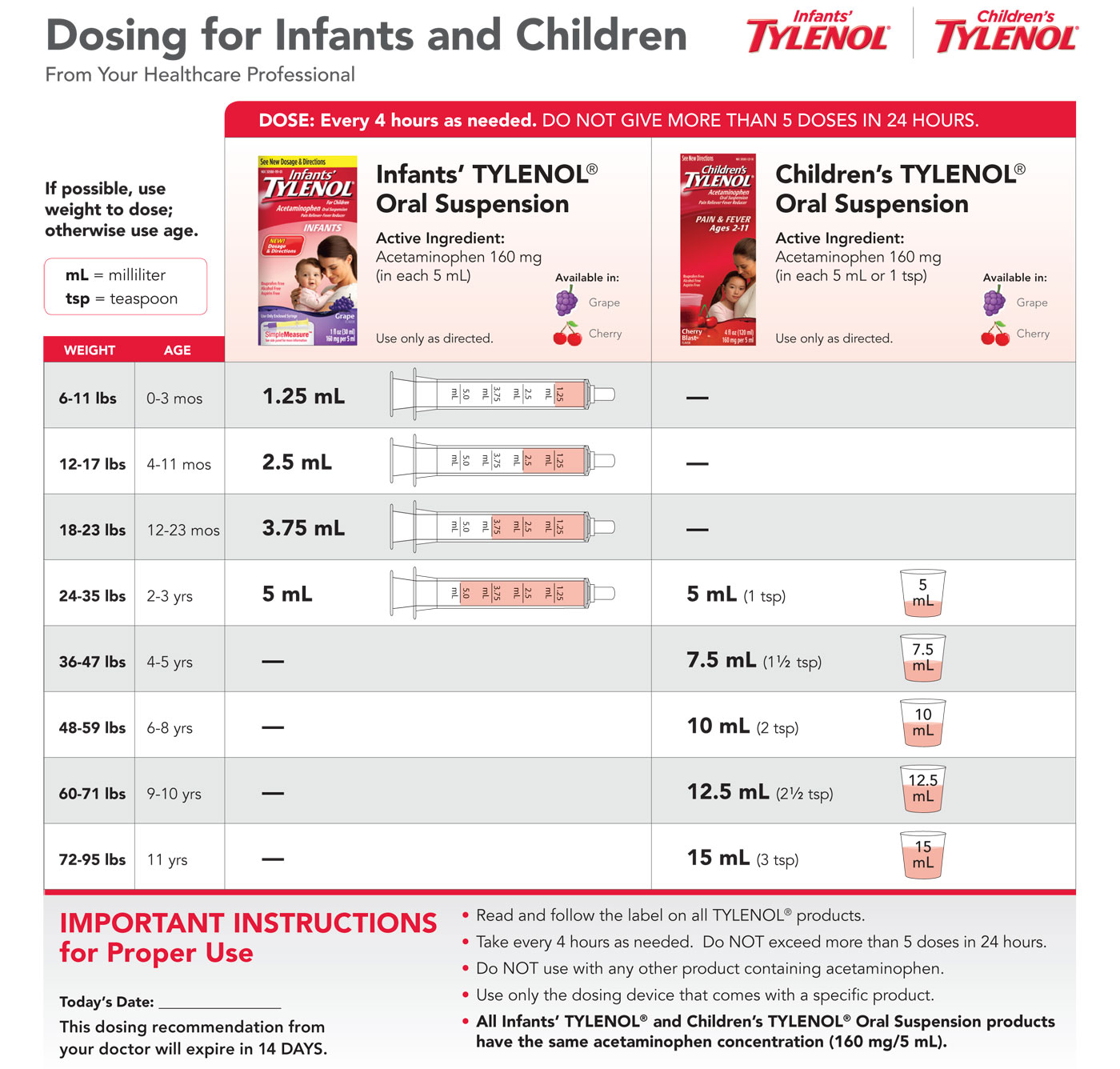
Dosing for Infants and Children Premiere Pediatrics in Norman, Oklahoma
Dose Of Product Every Hours For Days.
Do Not Give More Than 4 Doses In 24 Hours.
Acetaminophen • Don’t Give To Infants Under 2 Months Old Unless Instructed By Your Child’s Doctor.
It Is Estimated That 80 Percent Of Children Will Have A Decrease In.
Related Post: