
Tooth Surfaces Chart
Tooth Surfaces Chart - For example, in posterior teeth, mandibular molar, the five surfaces are buccal, occlusal, lingual, mesial, and distal surfaces. Each type of tooth has a specific function, including biting, chewing, and grinding up food. Web a comprehensive guide to teeth including types of teeth, tooth anatomy, tooth surface terminology and clinical relevance (e.g. The names are given to these surfaces according to their position and use. Knowing these surfaces can help patients better understand their dental health and what to expect when they visit the dentist. Web tooth and surface identification (tid and sid) dental treatment documentation and billing require to properly identify teeth and tooth surfaces. Web our tooth chart, featuring the international numbering system for teeth, shows the standard tooth numbering system from 1 to 32, upper & lower. We use the universal numbering system for tooth identification. Fully labeled illustrations of the teeth with dental terminology (orientation, surfaces, cusps, roots numbering systems) and detailed images of each permanent tooth. Web teeth names include incisors, canines, premolars, and molars. Knowing these surfaces can help patients better understand their dental health and what to expect when they visit the dentist. Fully labeled illustrations of the teeth with dental terminology (orientation, surfaces, cusps, roots numbering systems) and detailed images of each permanent tooth. Web the teeth are divided into four quadrants within the mouth, with the division occurring between the upper and lower jaws horizontally and down the midline of the face vertically. Learn about the types of teeth in a fast and efficient way using our interactive tooth identification quizzes and labeled diagrams. Web tooth and surface identification (tid and sid) dental treatment documentation and billing require to properly identify teeth and tooth surfaces. Web a comprehensive guide to teeth including types of teeth, tooth anatomy, tooth surface terminology and clinical relevance (e.g. Web our tooth chart, featuring the international numbering system for teeth, shows the standard tooth numbering system from 1 to 32, upper & lower. Each type of tooth has a specific function, including biting, chewing, and grinding up food. We use the universal numbering system for tooth identification. Web teeth names include incisors, canines, premolars, and molars. Each surface has a different name and function. Web the teeth are divided into four quadrants within the mouth, with the division occurring between the upper and lower jaws horizontally and down the midline of the face vertically. Web atlas of dental anatomy: Web the teeth surfaces include distal, mesial, buccal, lingual, labial, occlusal, and incisal. Knowing these surfaces can. Knowing these surfaces can help patients better understand their dental health and what to expect when they visit the dentist. Web the five surfaces are labial, palatal, mesial, distal and incisal surfaces. For example, in posterior teeth, mandibular molar, the five surfaces are buccal, occlusal, lingual, mesial, and distal surfaces. Each type of tooth has a specific function, including biting,. Web the teeth surfaces include distal, mesial, buccal, lingual, labial, occlusal, and incisal. Knowing these surfaces can help patients better understand their dental health and what to expect when they visit the dentist. Each surface has a different name and function. Each type of tooth has a specific function, including biting, chewing, and grinding up food. Web tooth and surface. Web a comprehensive guide to teeth including types of teeth, tooth anatomy, tooth surface terminology and clinical relevance (e.g. Knowing these surfaces can help patients better understand their dental health and what to expect when they visit the dentist. We use the universal numbering system for tooth identification. Incorrect tid and sid are frequent reasons for claim denial and charting. The names are given to these surfaces according to their position and use. Web when identifying teeth and referring to specific areas of a tooth, it is necessary to utilize named surfaces and directions designated according to where it is located. Each type of tooth has a specific function, including biting, chewing, and grinding up food. For example, in posterior. The names are given to these surfaces according to their position and use. Incorrect tid and sid are frequent reasons for claim denial and charting errors. Web when identifying teeth and referring to specific areas of a tooth, it is necessary to utilize named surfaces and directions designated according to where it is located. Web atlas of dental anatomy: Fully. Web when identifying teeth and referring to specific areas of a tooth, it is necessary to utilize named surfaces and directions designated according to where it is located. Tooth avulsion and enamel erosion). Web teeth names include incisors, canines, premolars, and molars. Web our tooth chart, featuring the international numbering system for teeth, shows the standard tooth numbering system from. Each type of tooth has a specific function, including biting, chewing, and grinding up food. We use the universal numbering system for tooth identification. Knowing these surfaces can help patients better understand their dental health and what to expect when they visit the dentist. For example, in posterior teeth, mandibular molar, the five surfaces are buccal, occlusal, lingual, mesial, and. Each surface has a different name and function. Web our tooth chart, featuring the international numbering system for teeth, shows the standard tooth numbering system from 1 to 32, upper & lower. Tooth avulsion and enamel erosion). Incorrect tid and sid are frequent reasons for claim denial and charting errors. Each type of tooth has a specific function, including biting,. Web when identifying teeth and referring to specific areas of a tooth, it is necessary to utilize named surfaces and directions designated according to where it is located. Tooth avulsion and enamel erosion). Web atlas of dental anatomy: For example, in posterior teeth, mandibular molar, the five surfaces are buccal, occlusal, lingual, mesial, and distal surfaces. Web the five surfaces. Tooth avulsion and enamel erosion). Web atlas of dental anatomy: Web tooth and surface identification (tid and sid) dental treatment documentation and billing require to properly identify teeth and tooth surfaces. Each surface has a different name and function. Each type of tooth has a specific function, including biting, chewing, and grinding up food. Knowing these surfaces can help patients better understand their dental health and what to expect when they visit the dentist. Web teeth names include incisors, canines, premolars, and molars. Learn about the types of teeth in a fast and efficient way using our interactive tooth identification quizzes and labeled diagrams. Web the teeth are divided into four quadrants within the mouth, with the division occurring between the upper and lower jaws horizontally and down the midline of the face vertically. Fully labeled illustrations of the teeth with dental terminology (orientation, surfaces, cusps, roots numbering systems) and detailed images of each permanent tooth. The names are given to these surfaces according to their position and use. Web when identifying teeth and referring to specific areas of a tooth, it is necessary to utilize named surfaces and directions designated according to where it is located. Incorrect tid and sid are frequent reasons for claim denial and charting errors. We use the universal numbering system for tooth identification. Web our tooth chart, featuring the international numbering system for teeth, shows the standard tooth numbering system from 1 to 32, upper & lower.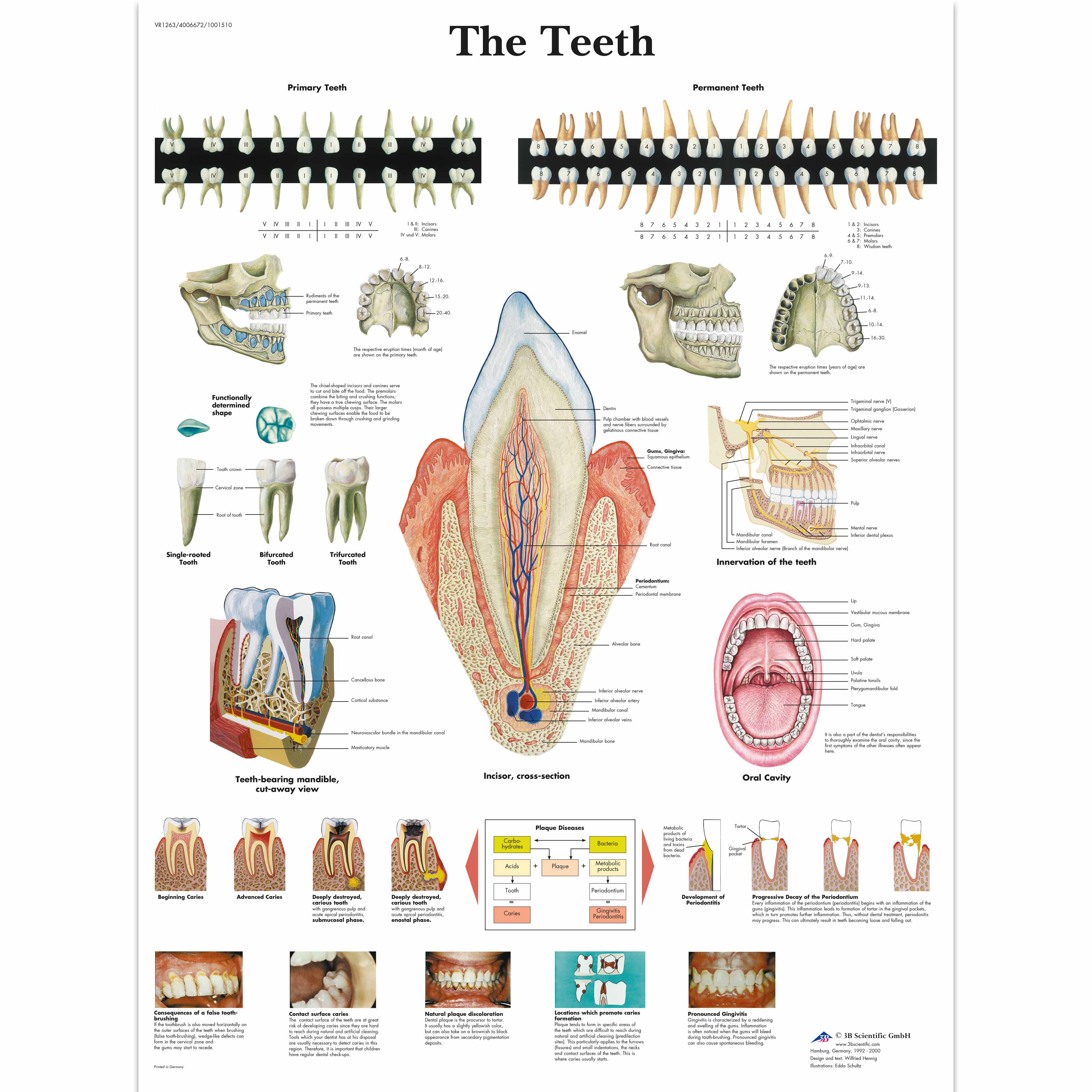
Printable Tooth Surface Chart

Printable Tooth Surface Chart Customize and Print
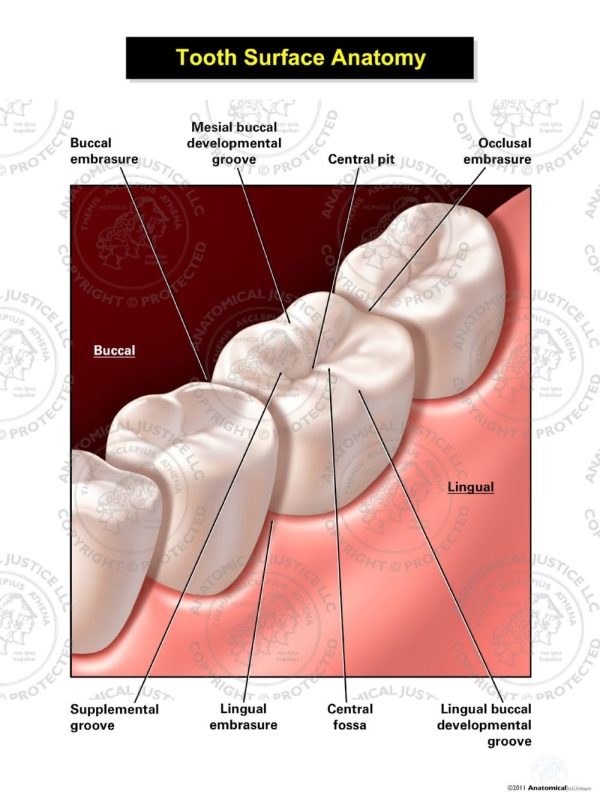
Tooth Surface Anatomy
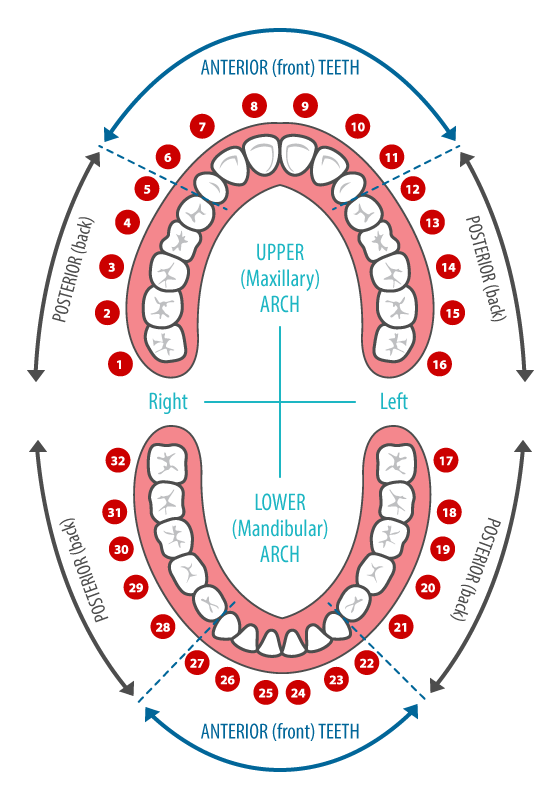
dental tooth numbers and surfaces

Here is a tooth chart (or a tooth map) that shows the lettering and
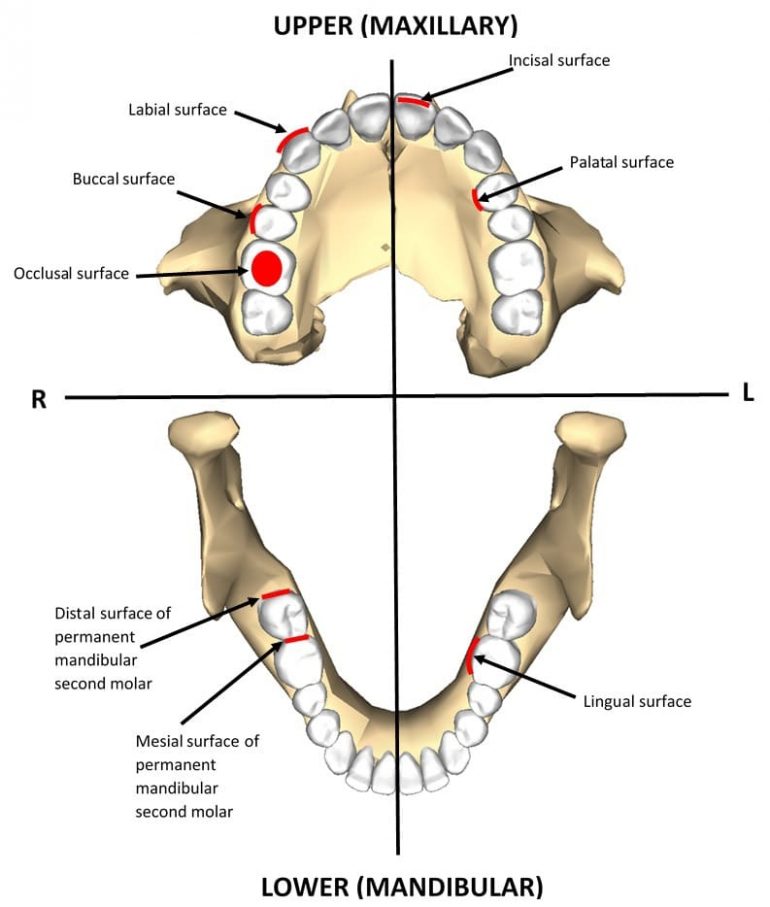
Teeth Types of Teeth, Tooth Anatomy Clinical Relevance Geeky Medics

Printable Tooth Surface Chart Customize and Print

Tooth Anatomy Poster Behance
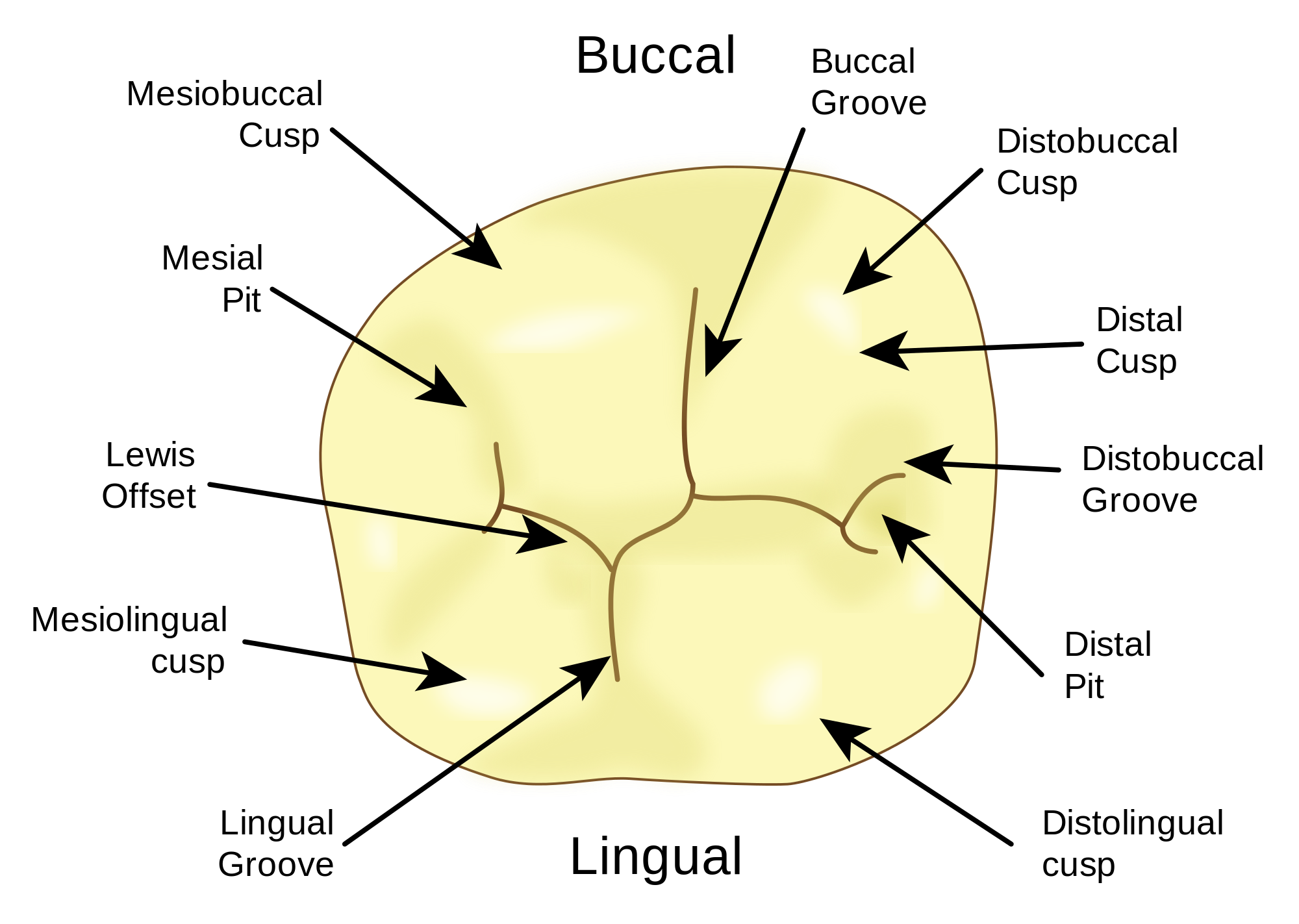
Your Tooth Surfaces Explained Dental Clinique
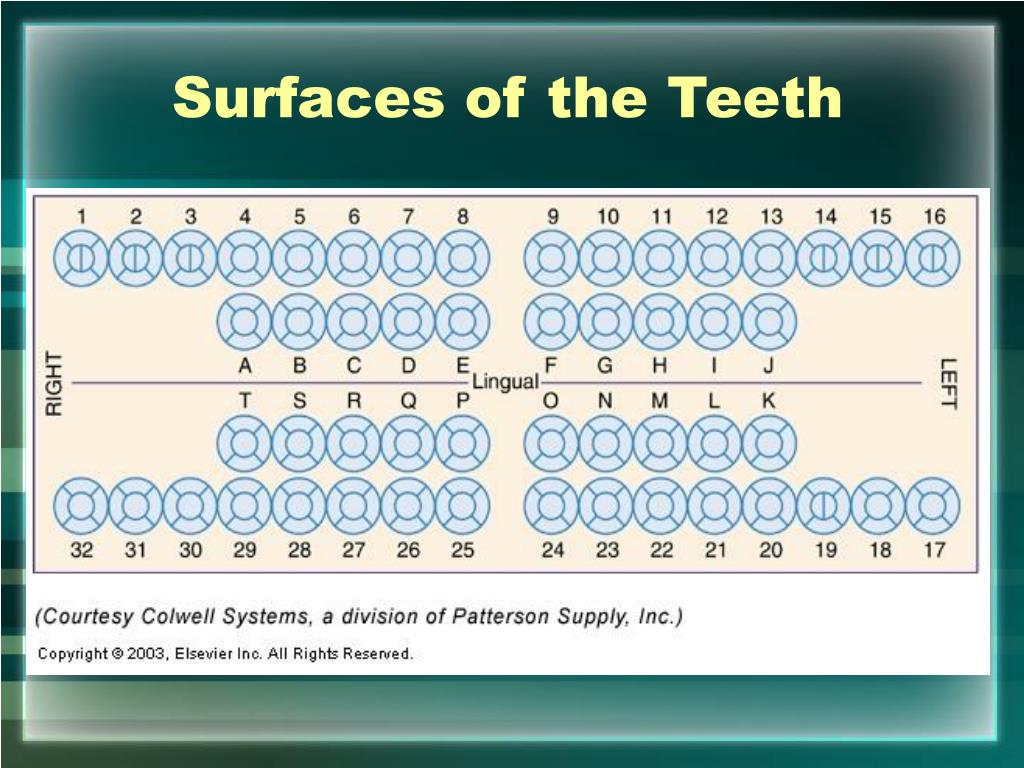
Dental Teeth Surfaces Chart
Web The Five Surfaces Are Labial, Palatal, Mesial, Distal And Incisal Surfaces.
Web The Teeth Surfaces Include Distal, Mesial, Buccal, Lingual, Labial, Occlusal, And Incisal.
For Example, In Posterior Teeth, Mandibular Molar, The Five Surfaces Are Buccal, Occlusal, Lingual, Mesial, And Distal Surfaces.
Web A Comprehensive Guide To Teeth Including Types Of Teeth, Tooth Anatomy, Tooth Surface Terminology And Clinical Relevance (E.g.
Related Post: