
Sourdough Temp Chart
Sourdough Temp Chart - Bulk fermentation timetables sorted by 75% rise time sorted by temperature group notes these fermentation timetables are based on multiple, actual observed batches at each combination of starter % and dough temperature in a highly controlled test environment. So what happens if the dough (or starter/levain) get too hot or too cold? Sourdough bread is baked at a relatively high temperature as far as bread goes. Too cold (68 degrees and below): So you forgot to feed your starter. One of the keys to baking great sourdough is proper fermentation: (let’s say 2 x 2 if your mass of dough is roughly 8 x 8.) plop that small piece of dough on top of the larger blob. Making artisan sourdough at home may seem a daunting task, but with our time and temp tips, you can master the process and make the tastiest bread ever. How to read a sourdough crumb. Web after years of research and hundreds of experiments, i’ve developed a new method for beginners (and experiened bakers) to easily determine when bulk fermentation is finished — by measuring the dough temperature and the percentage rise in the dough. This starts with a strong starter and continues through to proofing and baking. Web if your room temperature is 80f/27c, your dough will overproof. One of the keys to baking great sourdough is proper fermentation: Sourdough baking is an art, yet also very sciency! The dough temperature is also important in sourdough making and should be around 78°f (25°c). Sourdough bread is baked at different temperatures depending on different baking methods used; These groundbreaking new tables, based on recent experiments, provide bakers with typical fermentation times at 20 data points between 66f/16c and 74f/22c. How to monitor, maintain, and calculate temperatures for baking consistently. How long should it take for bulk fermentation at different dough temperatures and starter percentages? This temperature range provides a favorable environment for the yeast and bacteria in your sourdough starter to thrive and produce the desired flavors and textures. One of the keys to baking great sourdough is proper fermentation: If your room temperature is 60f/16c, your dough will underproof. Repeat, stacking the chopped pieces on top as you go. Web what temperature do you bake it at? So what happens if the dough (or starter/levain) get too hot or too cold? Start your sourdough journey today! How to read a sourdough crumb. Web bulk fermentation at warmer temperatures encourages strong yeast and bacterial fermentation that results in an active and flavorful bread dough. Web what is the best temperature for proofing dough? There is no best temperature when proofing sourdough bread dough; Repeat, stacking the chopped pieces on top as you go. Web how to do it. Making artisan sourdough at home may seem a daunting task, but with our time and temp tips, you can master the process and make the tastiest bread ever. Cold bulk fermentation (bulk retarding) Web the ultimate sourdough proofing guide. Web a guide on the importance of dough temperature in baking bread. So what happens if the dough (or starter/levain) get too hot or too cold? Web after years of research and hundreds of experiments, i’ve developed a new method for beginners (and experiened bakers) to easily determine when bulk fermentation is finished — by measuring the dough temperature and. Web the ultimate sourdough proofing guide. For a more sour and developed flavor, temperature ranges that are either above 82f (28c) or below 50f (10c) are ideal, depending on which sour notes you prefer, and how long you want to ferment for. At these cold temperatures, fermentation will go very slowly and may even not take place. There is no. Web the ultimate sourdough proofing guide. Web 10 tips for new sourdough bakers. It all depends on the dough you’re working with, the flavor and texture you seek, and your desired baking schedule. One of the keys to baking great sourdough is proper fermentation: Web bake your sourdough at 190 degrees celsius (356 degrees fahrenheit) for the first 15 minutes. It all depends on the dough you’re working with, the flavor and texture you seek, and your desired baking schedule. 74 to 78°f (23 to 25°c) typical duration: The tools you need for sourdough baking. Start your sourdough journey today! Web if your room temperature is 80f/27c, your dough will overproof. Understanding sourdough terms and phrases. Web what temperature do you bake it at? Repeat, stacking the chopped pieces on top as you go. Web it’s best to bake sourdough bread in the oven between 410°f (210°c) and 455°f (235°c) depending on the recipe. Bulk fermentation timetables sorted by 75% rise time sorted by temperature group notes these fermentation timetables are. How to read a sourdough crumb. Some recipes atempt to provide more specifics, but the guidance is inconsistent with some recommending a 30% rise and some recommending a 100% rise in the dough. The goal is to stay within that range for as much time as possible. At these cold temperatures, fermentation will go very slowly and may even not. Web it’s best to bake sourdough bread in the oven between 410°f (210°c) and 455°f (235°c) depending on the recipe. Starting with your large blob of dough on a work surface, use your bench knife to chop off a small piece. The goal is to stay within that range for as much time as possible. Web bake your sourdough at. Web bake your sourdough at 190 degrees celsius (356 degrees fahrenheit) for the first 15 minutes. Web the ultimate sourdough proofing guide. Bulk fermentation timetables sorted by 75% rise time sorted by temperature group notes these fermentation timetables are based on multiple, actual observed batches at each combination of starter % and dough temperature in a highly controlled test environment. The dough temperature is also important in sourdough making and should be around 78°f (25°c). These groundbreaking new tables, based on recent experiments, provide bakers with typical fermentation times at 20 data points between 66f/16c and 74f/22c. Web slice, or just tear the bread into chunks, eating it with plenty of good, salted butter and jam. How to read a sourdough crumb. Web after years of research and hundreds of experiments, i’ve developed a new method for beginners (and experiened bakers) to easily determine when bulk fermentation is finished — by measuring the dough temperature and the percentage rise in the dough. Start your sourdough journey today! So what happens if the dough (or starter/levain) get too hot or too cold? (let’s say 2 x 2 if your mass of dough is roughly 8 x 8.) plop that small piece of dough on top of the larger blob. This starts with a strong starter and continues through to proofing and baking. So you forgot to feed your starter. One of the keys to baking great sourdough is proper fermentation: Repeat, stacking the chopped pieces on top as you go. Web 10 tips for new sourdough bakers.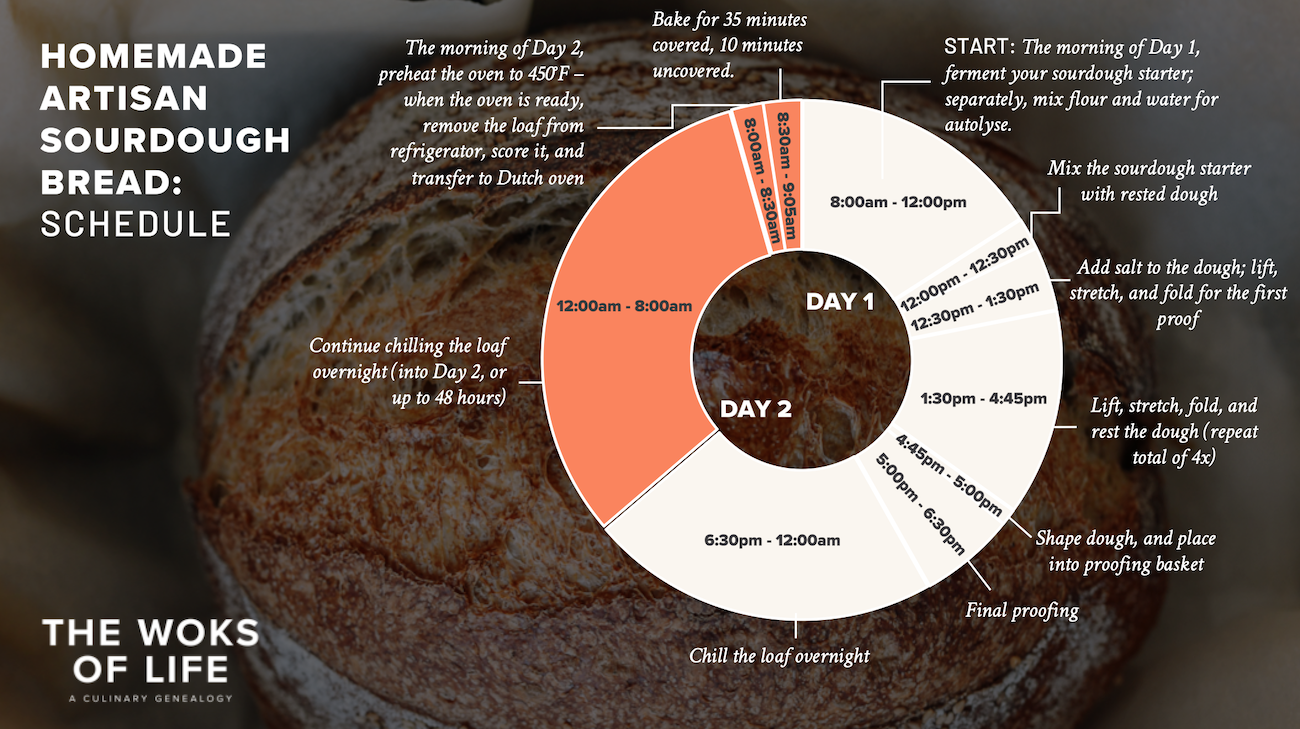
Homemade Artisan Sourdough Bread Recipe The Woks of Life
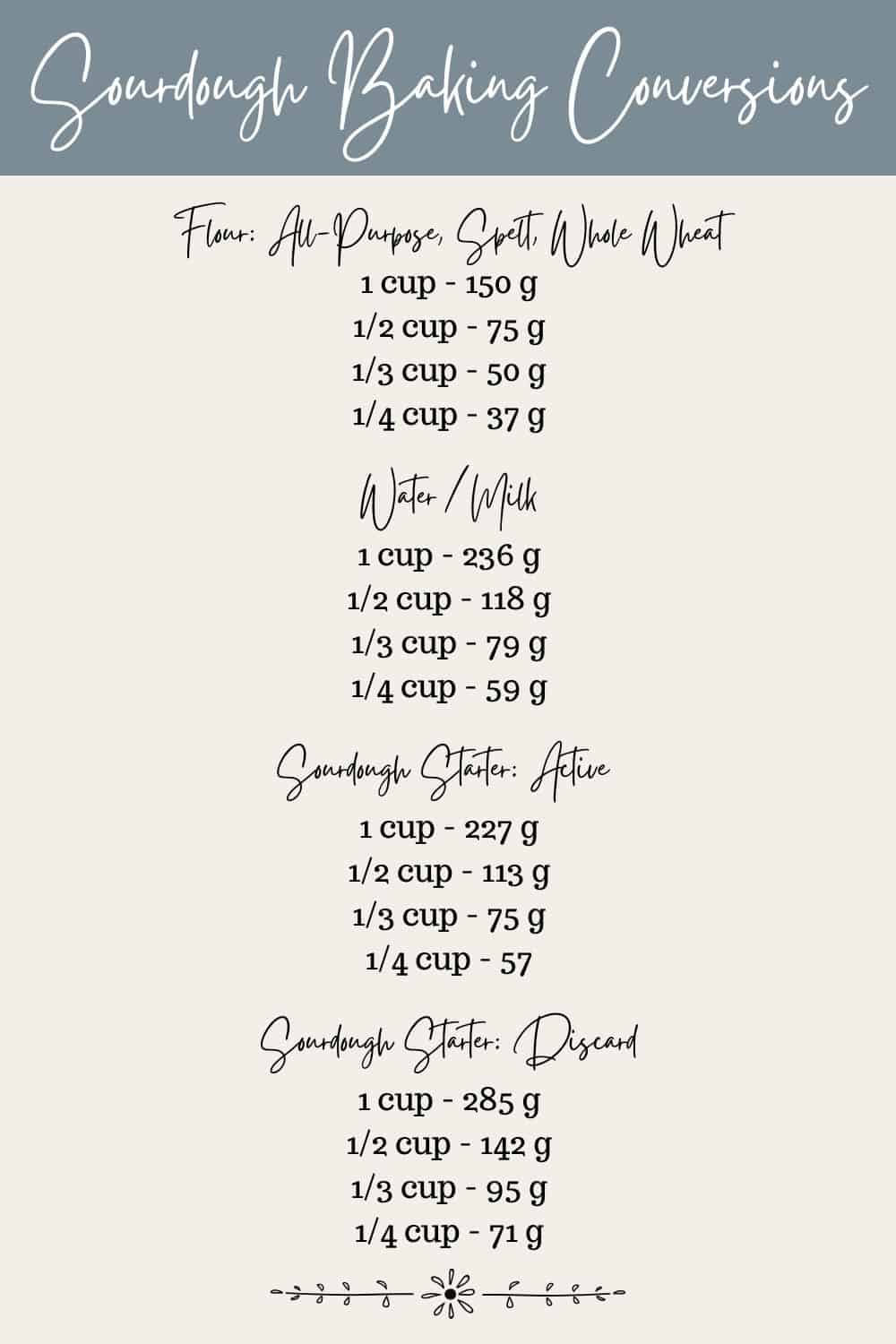
Baking Conversion Chart Farmhouse on Boone
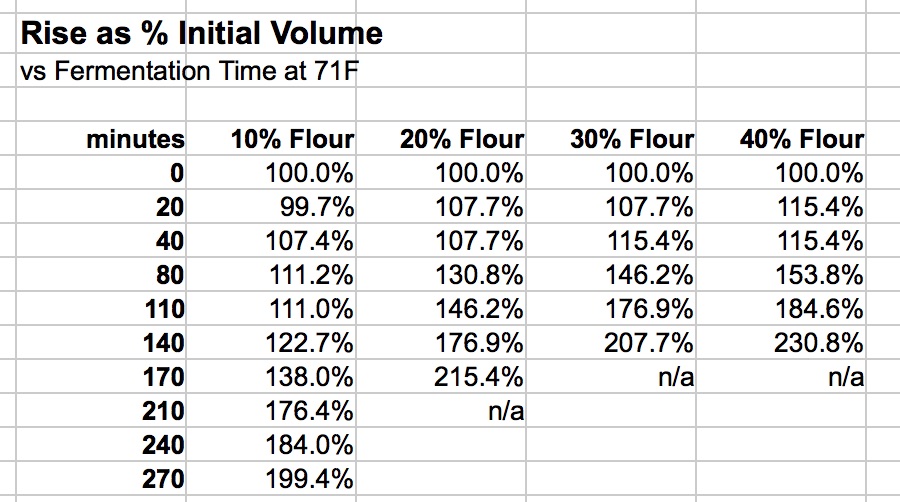
Sourdough Rise Data The Fresh Loaf
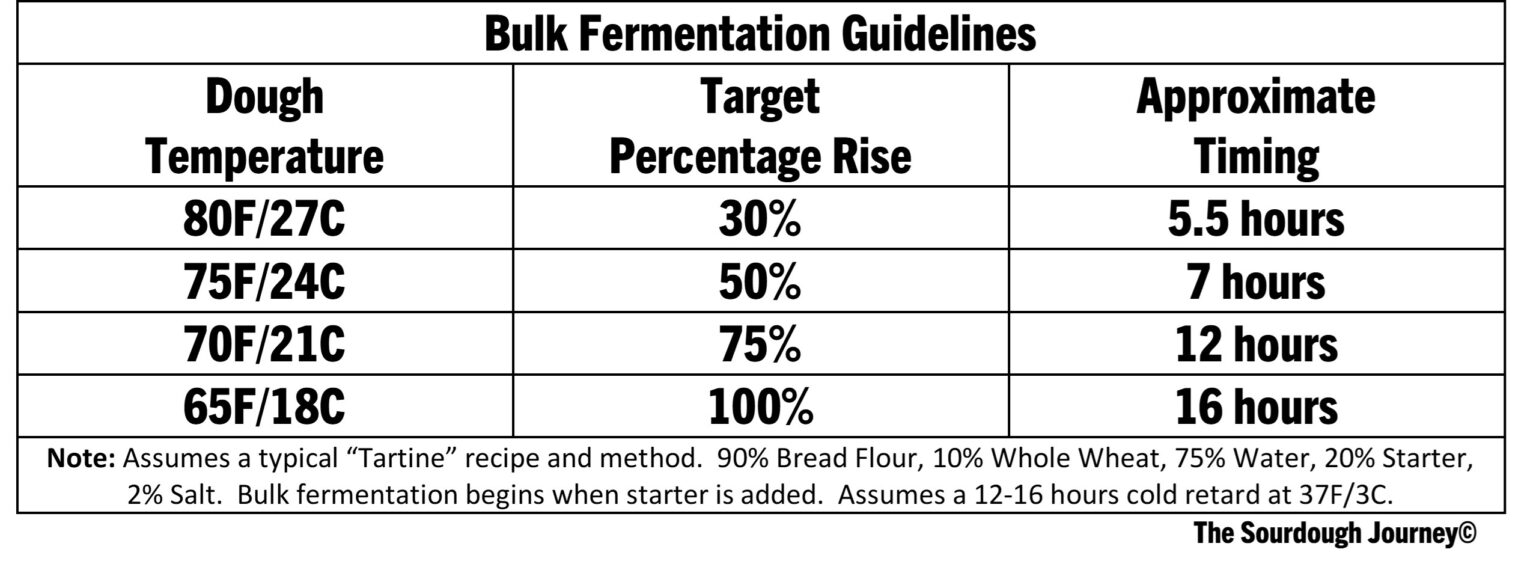
The Mystery of Percentage Rise in Bulk Fermentation The Sourdough Journey
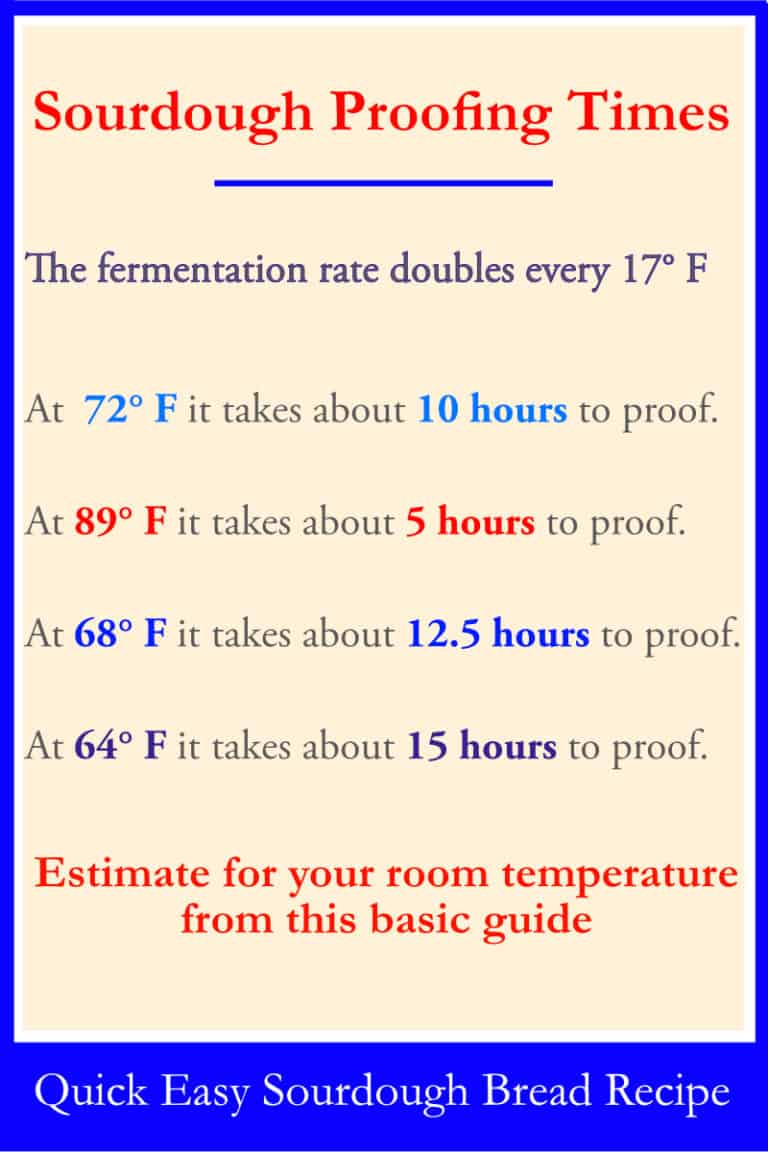
sourdough proofing time chart Archives • Dome Dough Maker and Prep Tool

Sourdough Proofing & Temperature Guide Bread making recipes
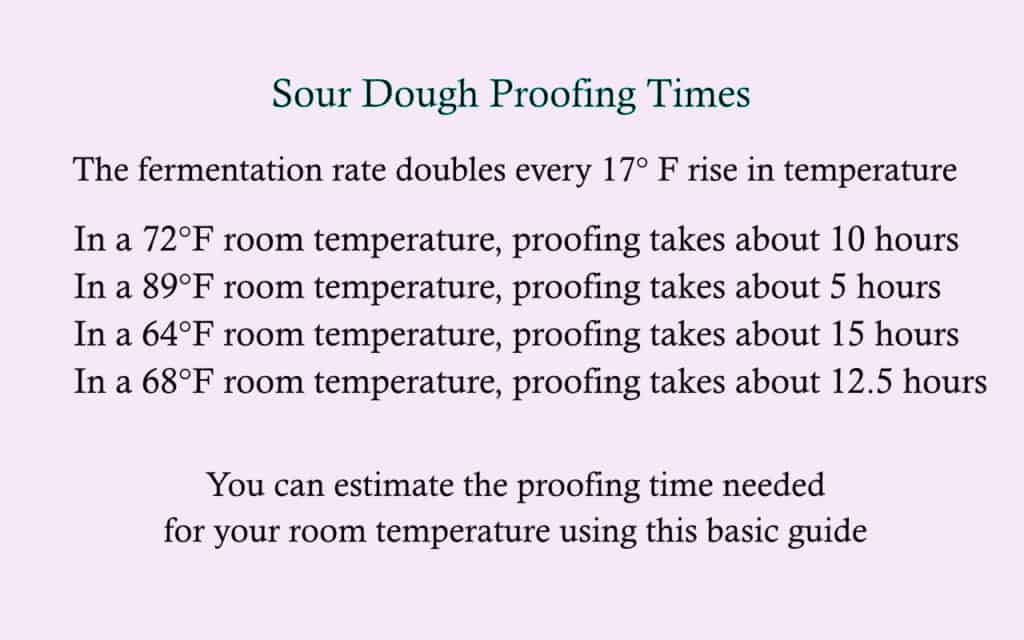
Sourdough Making Schedule

Water temperature calculator. Sourdough Bread Recipe

How to bake sourdough on an industrial scale? Puratos

Tools The Sourdough Journey
Measure Out The Amount Called For In Your Recipe, Retaining 113G For The Future (And Discarding Any Additional).
And Appears Bubbly And Vigorous, With A Sharp, Clean Aroma.
Some Recipes Atempt To Provide More Specifics, But The Guidance Is Inconsistent With Some Recommending A 30% Rise And Some Recommending A 100% Rise In The Dough.
Web Bulk Fermentation At Warmer Temperatures Encourages Strong Yeast And Bacterial Fermentation That Results In An Active And Flavorful Bread Dough.
Related Post: