
Extension Cords Gauge Chart
Extension Cords Gauge Chart - 16 awg, 14 awg, 12 awg. Types of electric extension cords. As a result, you must use an extension cord of sufficient thickness to avoid electrical issues. Web when planning to use extension cords indoors or outdoors, the safety of extension cords begins with selecting the right gauge. Amps, voltage, and watts are printed on the ul or etl tag. 1 ft (foot) = 0.3048 m; All extension cords have an awg (american wire gauge) rating that measures the diameter of the conductor inside. Special caution should be taken with electric space heaters. Typically, the awg rating will consist of the gauge and the number of conducting wires. One more factor to consider is cord length. Cut open the extension cord. Types of electric extension cords. The smaller the number, the larger the wire. The result is the cord gauge that you need. Typically, the awg rating will consist of the gauge and the number of conducting wires. Divide by 110 (the standard household voltage ) round down to the nearest whole number. However, other factors go into which size and type of extension cord would work best for your project. In simple words, the thicker the cords, the more power they can deliver. The choice of gauge depends on how long the cable is expected to run. All gauges are measured in terms of american wire gauge (awg) 16 awg (low), 14 awg, 12 awg, 10 awg (high) Web compare the total amps to the size chart. Use the label to find the wattage of each appliance. Web this chart breaks down how both the wire gauge and length of the extension cord affects its ability to convey power to a corded tool. Web identify the devices you want to run. As a result, you must use an. Typically, the awg rating will consist of the gauge and the number of conducting wires. Web when planning to use extension cords indoors or outdoors, the safety of extension cords begins with selecting the right gauge. The result is the cord gauge that you need. Web this definitive extension cord size chart helps you understand how wire gauge, amps, and. They may also be written with a # sign (#12, etc.). Special caution should be taken with electric space heaters. In simple words, the thicker the cords, the more power they can deliver. Suitable for medium loads up to 15 amps. 1 ft (foot) = 0.3048 m; 16 awg, 14 awg, 12 awg. The result is the cord gauge that you need. Types of electric extension cords. Web use a nema plug configurations chart to help find the right plug type. Capable of handling up to 20 amps. Then combine that with the required amperage rating and return to our first size chart. Web this chart breaks down how both the wire gauge and length of the extension cord affects its ability to convey power to a corded tool. Calculate the total wattage of all your devices. Typically, the awg rating will consist of the gauge and the. If the cord is up to 25 feet long, choose 18 awg wire. Finding the right extension size for your situation is as easy as a piece of cake. 16 awg, 14 awg, 12 awg. The smaller the number, the larger the wire. The smaller the length, the higher the gauge number. If you expect the extension cord to support multiple devices, get their total amperage. Web this chart breaks down how both the wire gauge and length of the extension cord affects its ability to convey power to a corded tool. Understanding these factors and how they relate will help you find the best extension cord for your device or appliance.. One more factor to consider is cord length. Web identify the devices you want to run. Web there are a few simple ways to tell what gauge an extension cord is. When shopping for extension cords, you’ll notice four key measurements: If the cord is up to 25 feet long, choose 18 awg wire. 1 ft (foot) = 0.3048 m; If your tool load is between 10 and 15 amps and the length of the cord is 50 to 100 feet, you need a. Web this definitive extension cord size chart helps you understand how wire gauge, amps, and length affect how power gets to your tools. Types of electric extension cords. The smaller. Understanding these factors and how they relate will help you find the best extension cord for your device or appliance. Web use a nema plug configurations chart to help find the right plug type. Read the box or packaging label. Gauge, amperage, wattage and length. When shopping for extension cords, you’ll notice four key measurements: Generally, the broadness of the wire is measured in awg (american wire gauge), and the lower the number, the bigger the wire is. Compare the total amps to a wire size chart to get the gauge. Use the label to find the wattage of each appliance. Gauge, amperage, wattage and length. However, other factors go into which size and type of extension cord would work best for your project. One more factor to consider is cord length. Web when planning to use extension cords indoors or outdoors, the safety of extension cords begins with selecting the right gauge. Examine the extension cord itself. Calculate the total wattage of all your devices. As a result, you must use an extension cord of sufficient thickness to avoid electrical issues. Your final step is estimating the device’s length to the power supply. When shopping for extension cords, you’ll notice four key measurements: All extension cords have an awg (american wire gauge) rating that measures the diameter of the conductor inside. Web on an extension cord: Suitable for medium loads up to 15 amps. 14 awg, 12 awg, 10 awg.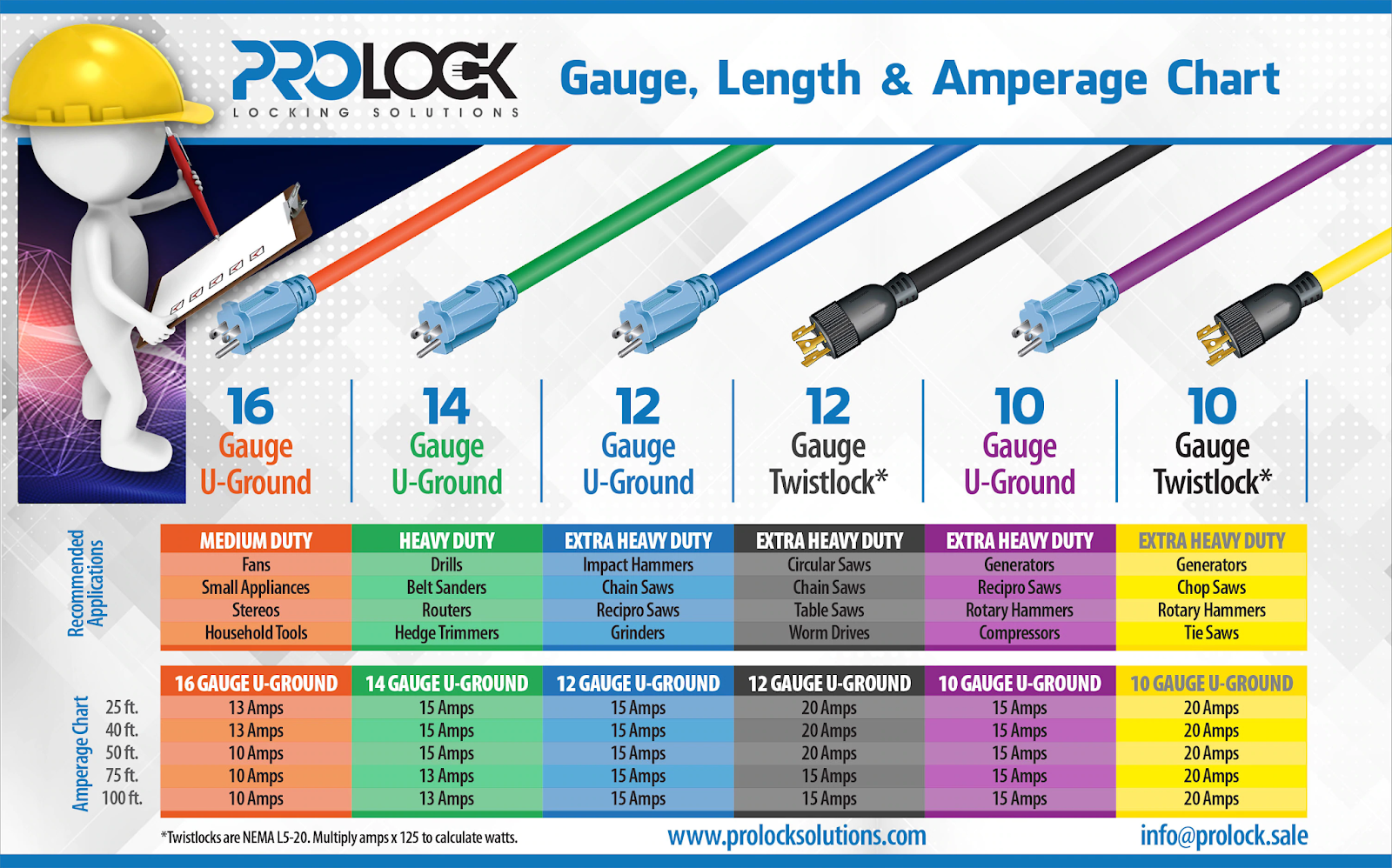
Power Cord Plug Adapters AnalysisMan
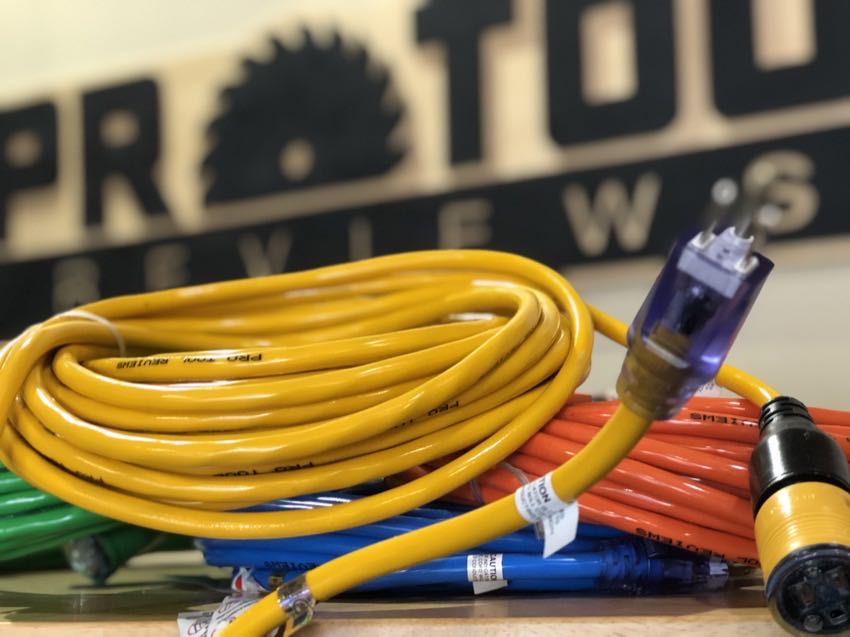
Extension Cord Size Chart Understanding Wire Gauge and Amps LaptrinhX
Ultimate Extension Cord Gauge Chart Guide Extension Cords
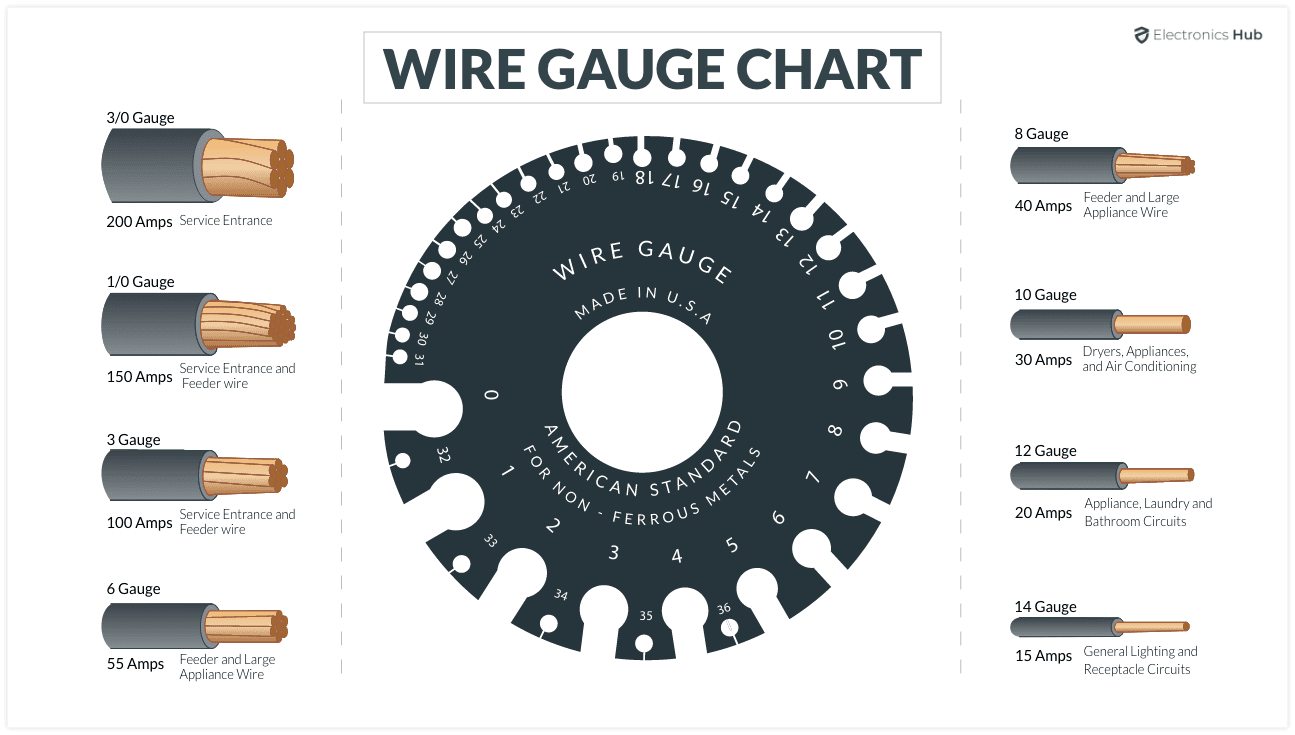
Extension Cord Chart What You Must Know On Safety

How to Choose the Correct Wire Gauge for Your Extension Cord Bad Ass
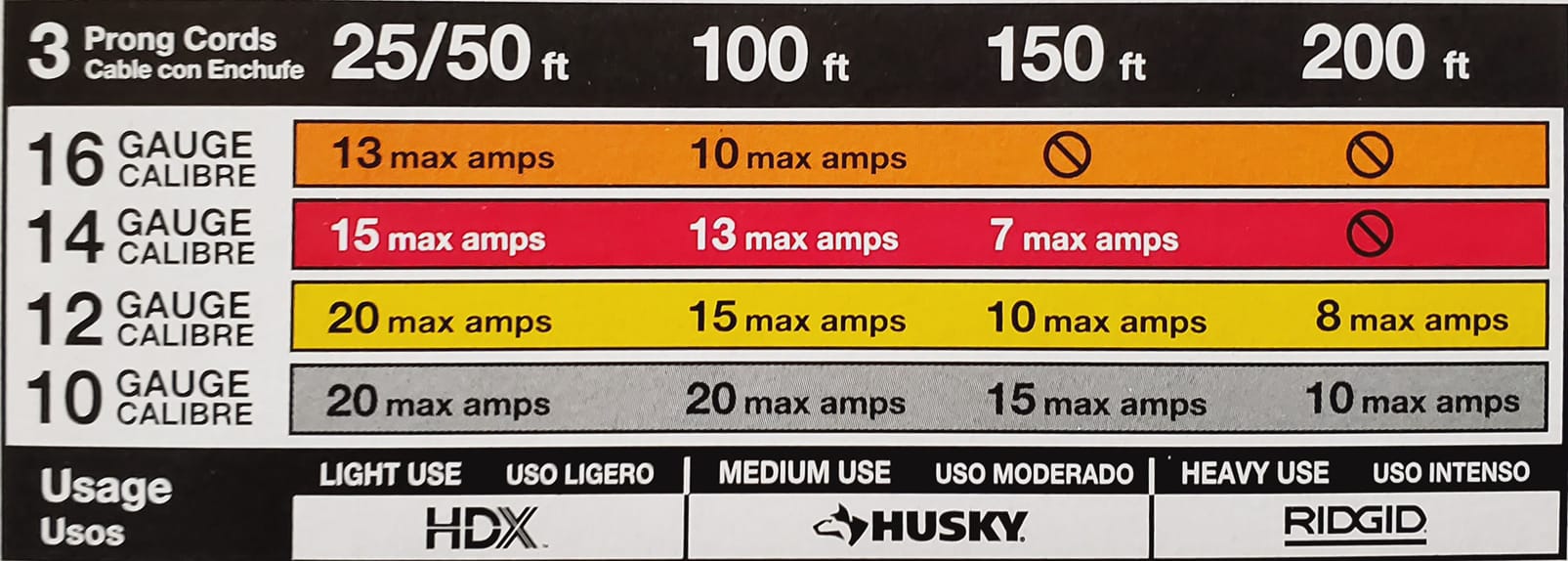
Extension Cords Safety and how to choose the right size Clean Pro

Extension Cord Size Chart Understanding Wire Gauge And Amps, 48 OFF
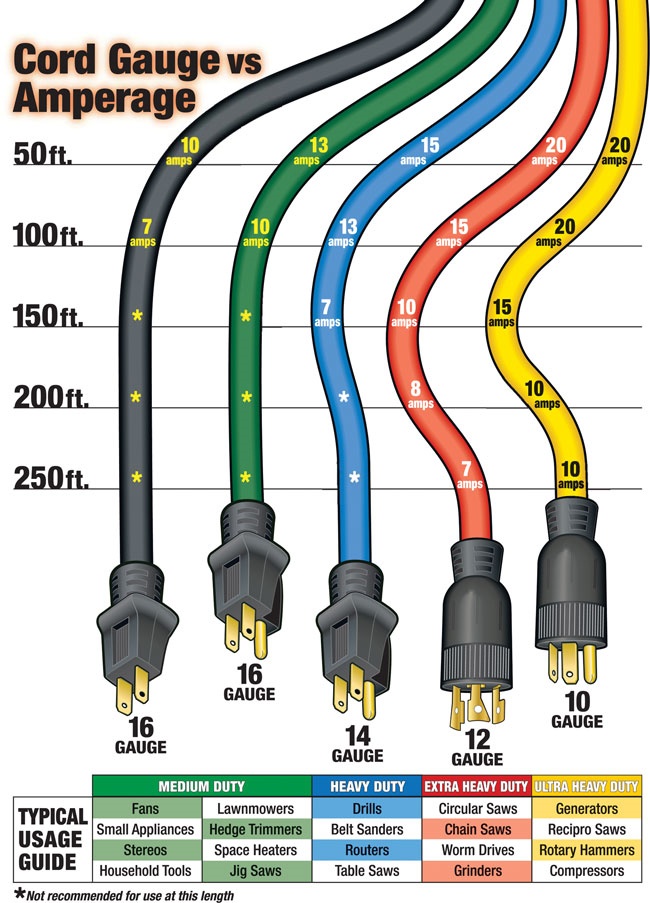
Extension Cords Gauge Chart
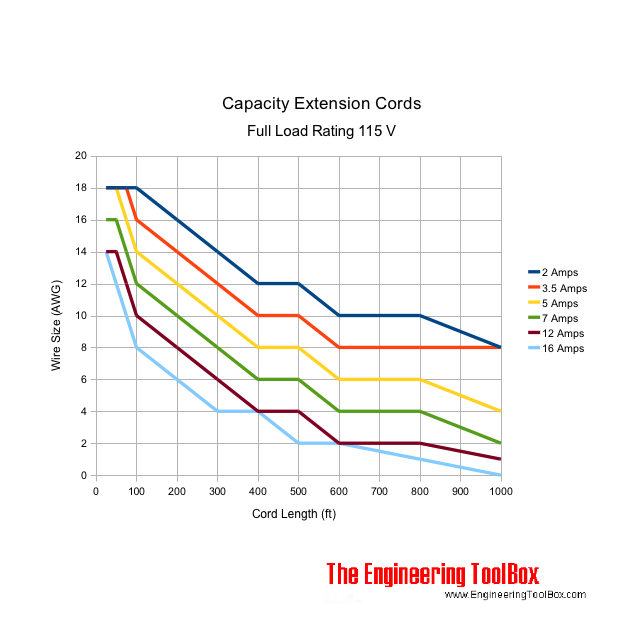
Extension Cords Gauge Chart
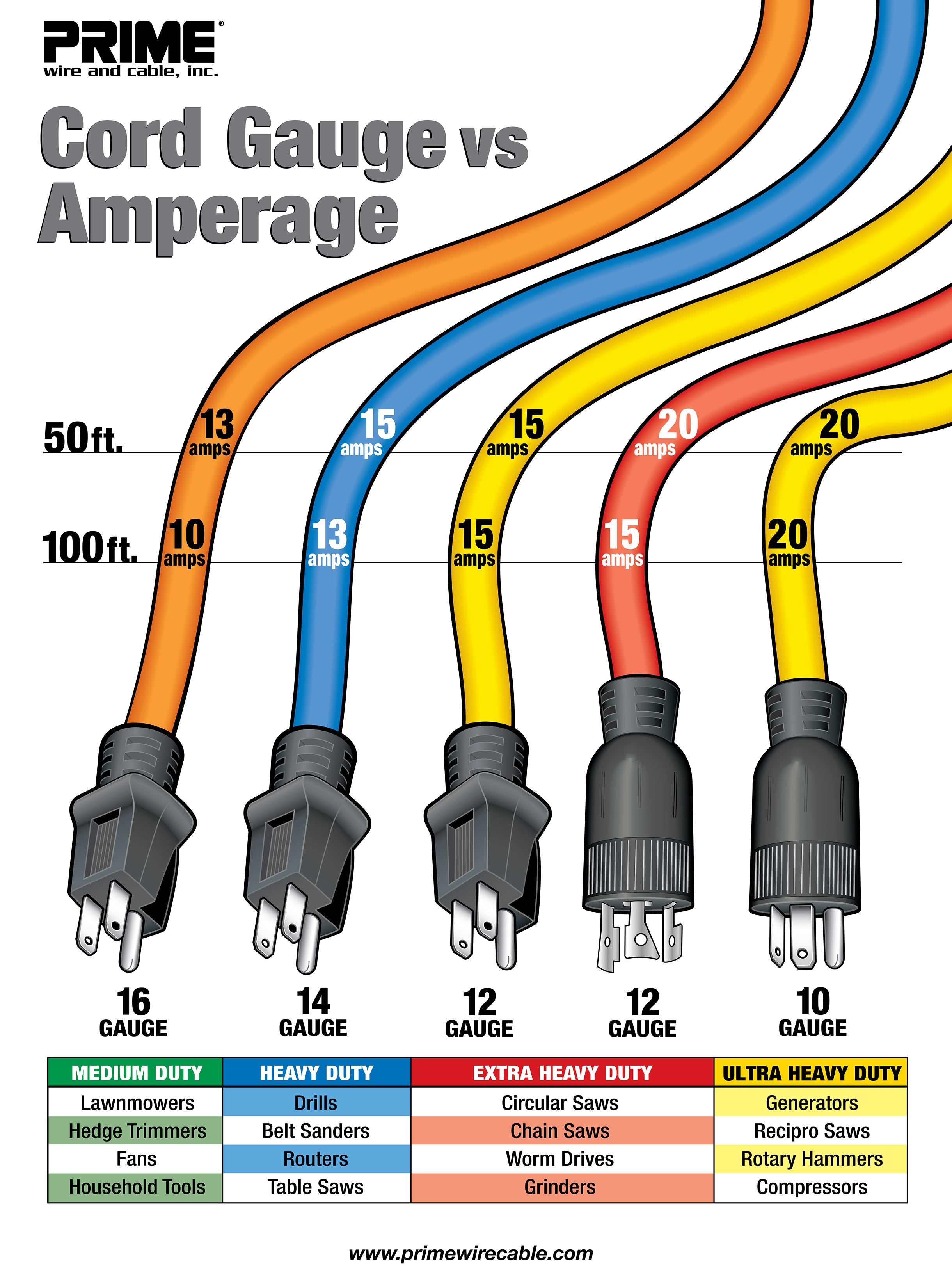
Prime Wire & Cable Inc. — Prime Wire & Cable Inc.
If You Just Bought The Extension Cord, There’s A Very Good Chance That The Gauge Will Be Printed On The Box.
16 Awg, 14 Awg, 12 Awg.
They May Also Be Written With A # Sign (#12, Etc.).
Divide By 110 (The Standard Household Voltage ) Round Down To The Nearest Whole Number.
Related Post: