
Endometrial Polyp Size Chart
Endometrial Polyp Size Chart - Web endometrial polyps are caused by the overgrowth of endometrial tissue, which is the lining of the uterus that swells and then shrinks during the menstrual cycle. You may have one or several polyps present. Polyps may be round or oval and range in size from a few millimeters (the size of a sesame seed) to a few centimeters (the size of a golf ball) or larger. Abnormal cell changes are often associated with malignancy, but the vast. They contain glands, connective tissues, and blood vessels. Web endometrial polyps refer to overgrowths of endometrial glands and stroma within the uterine cavity. These polyps are usually noncancerous (benign), although some can be cancerous or can turn into cancer (precancerous polyps). Web an endometrial polyp or uterine polyp is an abnormal growth containing glands, stroma and blood vessels projecting from the lining of the uterus (endometrium) that occupies spaces small or large enough to fill the uterine cavity. Endometrial polyps vary in size from a few millimeters to several centimeters in diameter. Transvaginal ultrasonography (tvus) should be the imaging modality of choice for the detection of endometrial polyps in woman of fertile age (level b). You may have one or several polyps present. Polyps may be found as a single lesion or multiple lesions filling the entire endometrial cavity. Polyps may be round or oval and range in size from a few millimeters (the size of a sesame seed) to a few centimeters (the size of a golf ball) or larger. Web an endometrial polyp or uterine polyp is a mass in the inner lining of the uterus. Endometrial polyps vary in size from a few millimeters to several centimeters in diameter. Can range in size from millimeters (about the size of a sesame seed) to centimeters (about the size of a golf ball and even larger). Web endometrial polyps form from an overgrowth of cells within the uterine lining. Web endometrial polyps are one of the most common etiologies of abnormal genital tract bleeding in both premenopausal and postmenopausal patients ( table 1 ). Web endometrial polyps are caused by the overgrowth of endometrial tissue, which is the lining of the uterus that swells and then shrinks during the menstrual cycle. Web uterine polyps, also known as endometrial polyps, form as a result of cells in the lining of the uterus (endometrium) overgrowing. Web endometrial polyps refer to overgrowths of endometrial glands and stroma within the uterine cavity. They contain glands, connective tissues, and blood vessels. Polyps may be found as a single lesion or multiple lesions filling the entire endometrial cavity. Uterine polyps range in size from a few millimeters — no larger than a sesame seed. Web uterine polyps, also known. [2] [3] pedunculated polyps are more common than sessile ones. Web uterine polyps, also known as endometrial polyps, form as a result of cells in the lining of the uterus (endometrium) overgrowing. Can range in size from millimeters (about the size of a sesame seed) to centimeters (about the size of a golf ball and even larger). These polyps are. Polyps may be found as a single lesion or multiple lesions filling the entire endometrial cavity. Web the polyp attaches to the endometrium by a thin stalk or a broad base and extends into your uterus. They may have a large flat base ( sessile) or be attached to the uterus by an elongated pedicle ( pedunculated ). Web an. These polyps are usually noncancerous (benign), although some can be cancerous or can turn into cancer (precancerous polyps). Web endometrial polyps are caused by the overgrowth of endometrial tissue, which is the lining of the uterus that swells and then shrinks during the menstrual cycle. Web the polyp attaches to the endometrium by a thin stalk or a broad base. Abnormal cell changes are often associated with malignancy, but the vast. They also range in number women can have one or many endometrial polyps. You may have one or several polyps present. [2] [3] pedunculated polyps are more common than sessile ones. Web endometrial polyps are caused by the overgrowth of endometrial tissue, which is the lining of the uterus. Web endometrial polyps form from an overgrowth of cells within the uterine lining. Web an endometrial polyp or uterine polyp is a mass in the inner lining of the uterus. Web uterine polyps, also known as endometrial polyps, form as a result of cells in the lining of the uterus (endometrium) overgrowing. Transvaginal ultrasonography (tvus) should be the imaging modality. Web the polyp attaches to the endometrium by a thin stalk or a broad base and extends into your uterus. Unlike polyps of other etiologies (eg, colon), the vast majority of endometrial polyps are neither malignant nor premalignant. They range in size from a few millimeters to several centimeters. Can range in size from millimeters (about the size of a. Web endometrial polyps are caused by the overgrowth of endometrial tissue, which is the lining of the uterus that swells and then shrinks during the menstrual cycle. Unlike polyps of other etiologies (eg, colon), the vast majority of endometrial polyps are neither malignant nor premalignant. Can range in size from millimeters (about the size of a sesame seed) to centimeters. They may have a large flat base ( sessile) or be attached to the uterus by an elongated pedicle ( pedunculated ). Unlike polyps of other etiologies (eg, colon), the vast majority of endometrial polyps are neither malignant nor premalignant. Endometrial polyps vary in size from a few millimeters to several centimeters in diameter. Polyps may be round or oval. They contain glands, connective tissues, and blood vessels. They also range in number women can have one or many endometrial polyps. Web uterine polyps, also known as endometrial polyps, form as a result of cells in the lining of the uterus (endometrium) overgrowing. Can range in size from millimeters (about the size of a sesame seed) to centimeters (about the. Endometrial polyps vary in size from a few millimeters to several centimeters in diameter. Web endometrial polyps are one of the most common etiologies of abnormal genital tract bleeding in both premenopausal and postmenopausal patients ( table 1 ). You may have one or several polyps present. Web endometrial polyps are caused by the overgrowth of endometrial tissue, which is the lining of the uterus that swells and then shrinks during the menstrual cycle. They may have a large flat base ( sessile) or be attached to the uterus by an elongated pedicle ( pedunculated ). They also range in number women can have one or many endometrial polyps. Can range in size from millimeters (about the size of a sesame seed) to centimeters (about the size of a golf ball and even larger). Unlike polyps of other etiologies (eg, colon), the vast majority of endometrial polyps are neither malignant nor premalignant. Polyps may be found as a single lesion or multiple lesions filling the entire endometrial cavity. Web an endometrial polyp or uterine polyp is a mass in the inner lining of the uterus. These polyps are usually noncancerous (benign), although some can be cancerous or can turn into cancer (precancerous polyps). Web endometrial polyps form from an overgrowth of cells within the uterine lining. Web the polyp attaches to the endometrium by a thin stalk or a broad base and extends into your uterus. They range in size from a few millimeters to several centimeters. Web endometrial polyps refer to overgrowths of endometrial glands and stroma within the uterine cavity. Uterine polyps range in size from a few millimeters — no larger than a sesame seed.Representative size measurement and appearance of endometrial polyps
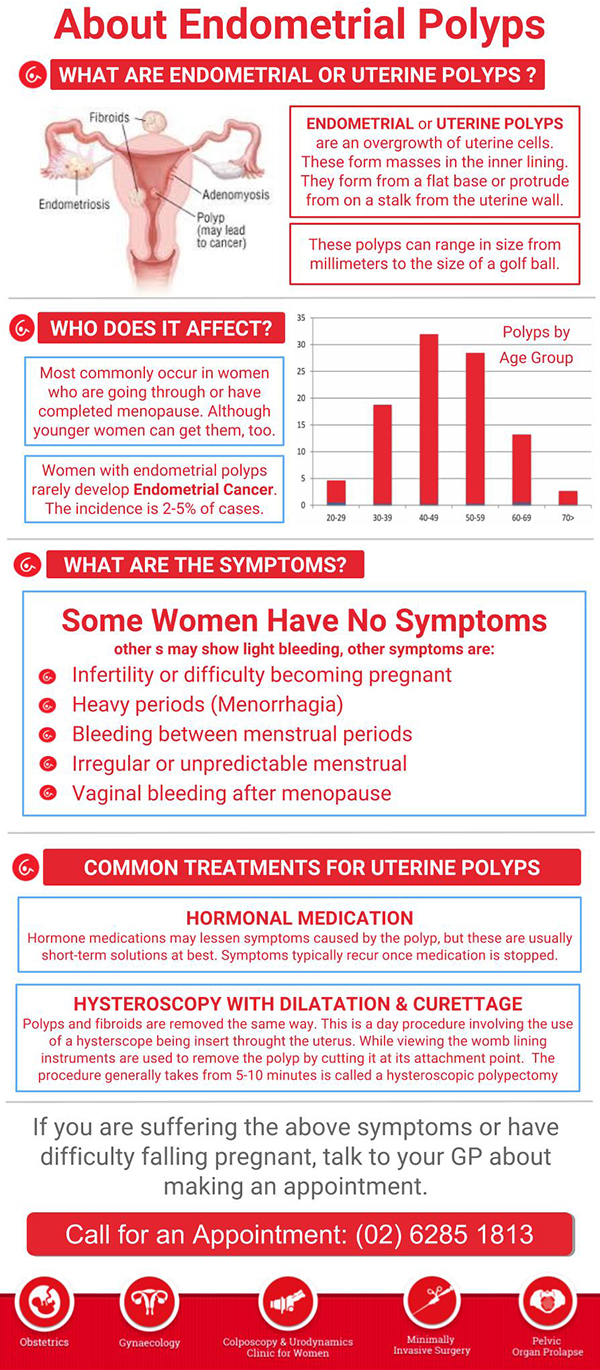
Endometrial & Uterine Polyps Canberra Deakin, ACT
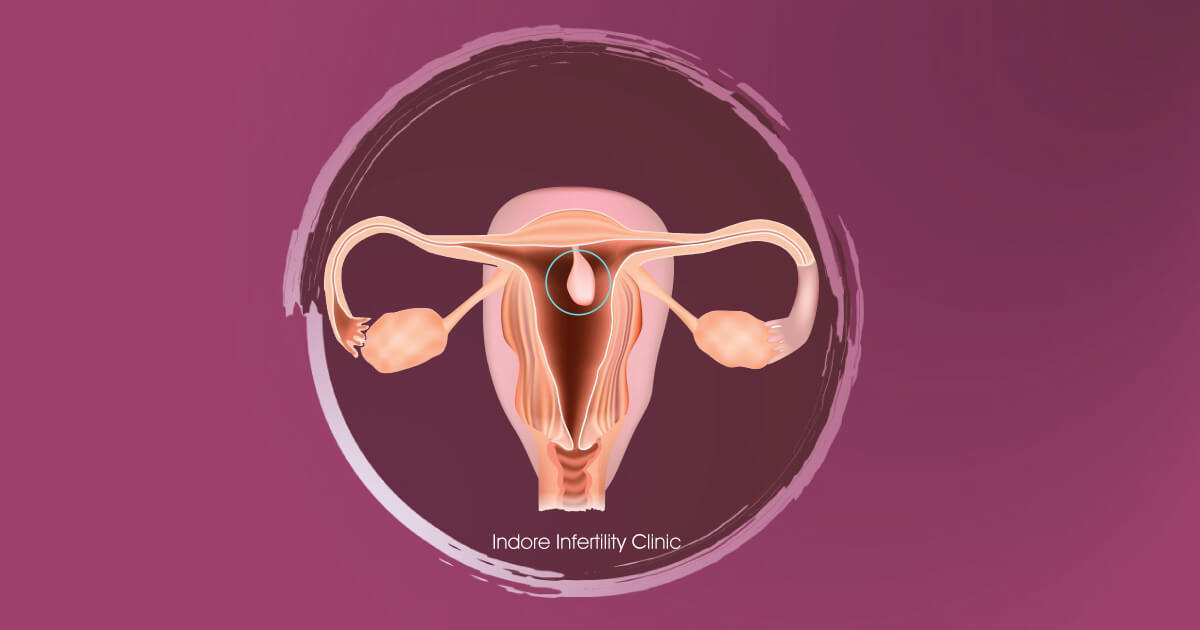
Uterine Polyp Size Chart

Uterine Polyp Size Chart

Endometrial Polyp Size Chart In Mm
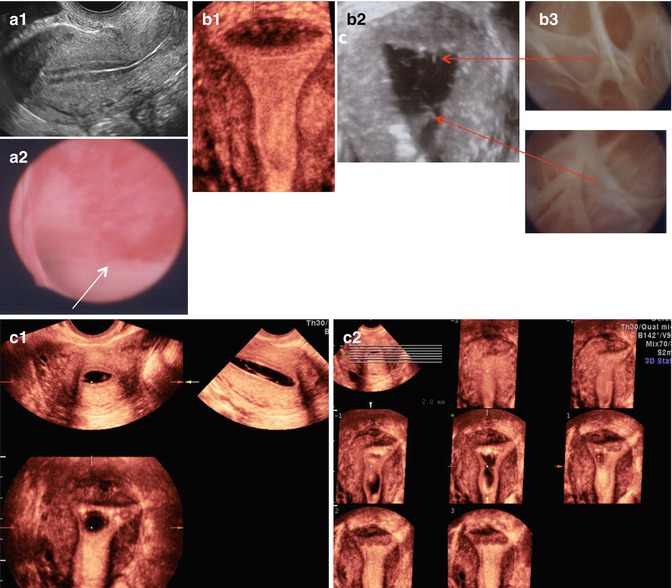
Endometrial Polyp Size Chart
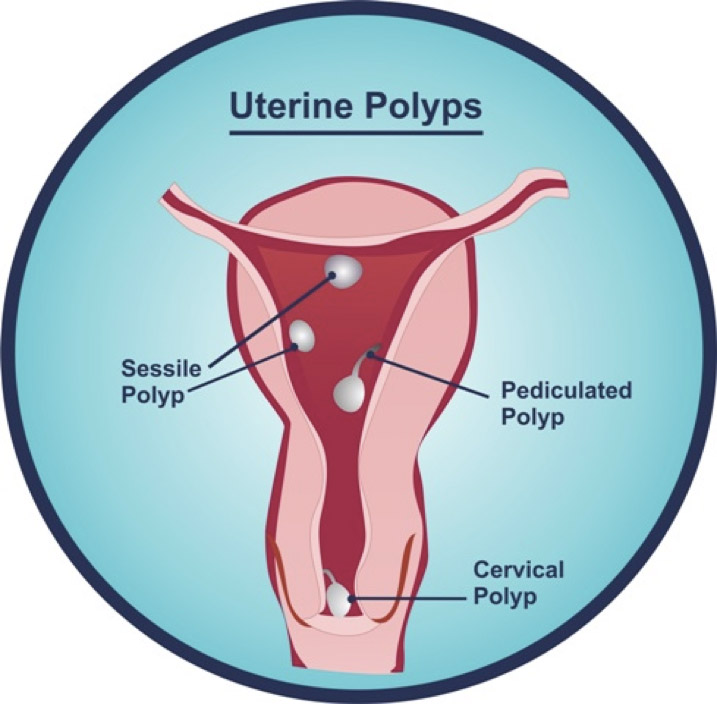
Dra. Joana Faria Uterine polyp Lisbon, Portugal
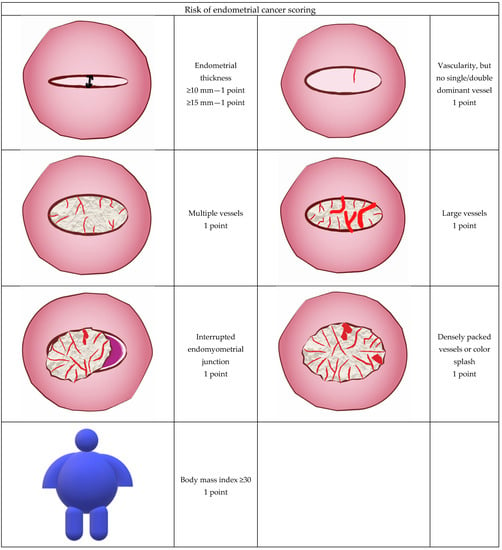
Diagnostics Free FullText Risk Assessment of Endometrial
![[PDF] Giant endometrial polyp protruding from the external cervical os](https://d3i71xaburhd42.cloudfront.net/8ee776e2c239fe8f6fe5bef07581c99c4de87bae/5-Figure4-1.png)
[PDF] Giant endometrial polyp protruding from the external cervical os

Endometrial Polyp Size Chart In Mm
Transvaginal Ultrasonography (Tvus) Should Be The Imaging Modality Of Choice For The Detection Of Endometrial Polyps In Woman Of Fertile Age (Level B).
Web Uterine Polyps, Also Known As Endometrial Polyps, Form As A Result Of Cells In The Lining Of The Uterus (Endometrium) Overgrowing.
They Contain Glands, Connective Tissues, And Blood Vessels.
[2] [3] Pedunculated Polyps Are More Common Than Sessile Ones.
Related Post: