
Electrical Wire Bend Radius Chart
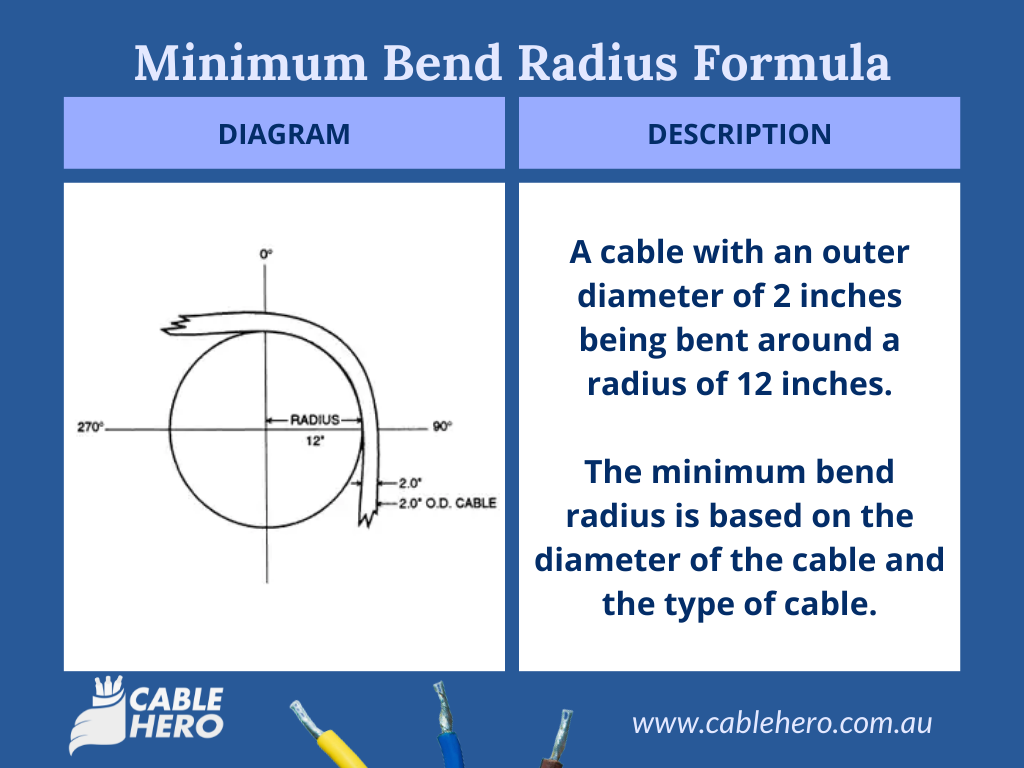
Electrical Wire Bend Radius Chart - Web the bend radius is the radius of the circular curve made (radius) when you bend a wire back onto itself. Web knowing your cable's minimum bending radius will help prevent damage during installation. Cable multipliers are determined by industry standards and. The below three tables represents the minimum. Minimum bend radius = cable outer diameter x cable multiplier. To use the table, obtain the cable diameter from either the manufacturer or by measuring the cable if you already have it. Web for equipment enclosures articles 408 and 409 specify wire bending requirements. Web learn the calculation for cable bend radius in the paper with additional considerations for cable type and when using a cable connector. Web learn what minimum bend radius is and why it is critical during cable installation and review examples of bend radius calculations in this wire wisdom. The examples are based on the formula minimum bend radius = cable diameter x 20. There is a rule to provide bending space in 312.6(a), but that does not have anything to do with the actual radius you can bend on the conductor. Web there is are bending radius rules in the nec for single conductors 1000 volts or less. For a cable with a diameter d= 21.4 mm. Bending radius of cable (r) = 4*d = 4 x 21.4 mm = 85.6 mm. This means accounting for both the maximum and minimum bend radius to ensure you get maximum speeds from your network. The minimum bend radius is the smallest acceptable radius the cable is allowed to be bent around. Number and gauge of conductors. Web the following table provides examples of cable bend radius calculations for different individuals. Web the minimum bend radius is based on the diameter of the cable and the type of cable. Cable bending radius (r) = 4* diameter. Web the minimum bend radius is based on the diameter of the cable and the type of cable. Specification type of wire (military or commercial). The examples are based on the formula minimum bend radius = cable diameter x 20. Factors which influence the minimum bending radius include the cable size, the cable construction, the conductor type and the sheathing. The following formula is used: Web the following table provides examples of cable bend radius calculations for different individuals. Web the bend radius is the radius of the circular curve made (radius) when you bend a wire back onto itself. The table includes the name of the individual, the cable diameter, the minimum bend radius, and how the result was. Web learn what minimum bend radius is and why it is critical during cable installation and review examples of bend radius calculations in this wire wisdom. There is a rule to provide bending space in 312.6(a), but that does not have anything to do with the actual radius you can bend on the conductor. Web the following table provides examples. The examples are based on the formula minimum bend radius = cable diameter x 20. Web learn what minimum bend radius is and why it is critical during cable installation and review examples of bend radius calculations in this wire wisdom. The following formula is used: Minimum bend radius = cable outer diameter x cable multiplier. The below three tables. The examples are based on the formula minimum bend radius = cable diameter x 20. Web learn the calculation for cable bend radius in the paper with additional considerations for cable type and when using a cable connector. Number and gauge of conductors. Please refer to the chart on the next page for reference. Great servicespecial offerson timewire and cable Web learn what minimum bend radius is and why it is critical during cable installation and review examples of bend radius calculations in this wire wisdom. Web there are no general minimum bending radii given in the nec for wire bending</strong>' dimensions include the bending radii of the conductor as well as enough room to be able to insert the.. Web cable bending radius is given by. Web the cable bending radius is a measurement of the smallest radius a cable can be bent around without damaging the cable. Cable bending radius (r) = 4* diameter. In other words, the requirements are not placed on the 600v conductors themselves, but the wiring methods or equipment. The below three tables represents. I recently had a home inspection done and the inspector stated that the wires should have a sweeping bend as opposed to a neatly trimmed bend. Typically, this information is on the manufacturer’s spec sheet and varies based on cable type, insulation, and conductor count. Web the minimum bend radius is based on the diameter of the cable and the. To use the table, obtain the cable diameter from either the manufacturer or by measuring the cable if you already have it. Web there are no general minimum bending radii given in the nec for wire bending</strong>' dimensions include the bending radii of the conductor as well as enough room to be able to insert the. Number and gauge of. To use the table, obtain the cable diameter from either the manufacturer or by measuring the cable if you already have it. Minimum bend radius = cable outer diameter x cable multiplier. For a cable with a diameter d= 21.4 mm. Web learn what minimum bend radius is and why it is critical during cable installation and review examples of. Web cable jackets can be bent too far, take a “set”, and fail early. The values shown for other constructions are not defined in the nec and icea recommendations. Minimum bend radius = cable outer diameter x cable multiplier. Web in the absence of your own cable specification, the following checklist will assist you to completely specify the cable you want: Table 312.6(a) applies where conductors do not enter or leave the enclosure through the wall opposite their terminals. Web for equipment enclosures articles 408 and 409 specify wire bending requirements. Specification type of wire (military or commercial). Coding of conductors or subcables, striping or. Web the minimum bending radii shown in the above table are in compliance with nec 300.34 for cables rated over 600 v, 330.24 for type mc cable, and nec 336.24 for type tc cable. Please refer to the chart on the next page for reference. Web the minimum bend radius is based on the diameter of the cable and the type of cable. The minimum bend radius is the smallest acceptable radius the cable is allowed to be bent around. The following formula is used: In other words, the requirements are not placed on the 600v conductors themselves, but the wiring methods or equipment. The examples are based on the formula minimum bend radius = cable diameter x 20. Web learn what minimum bend radius is and why it is critical during cable installation and review examples of bend radius calculations in this wire wisdom.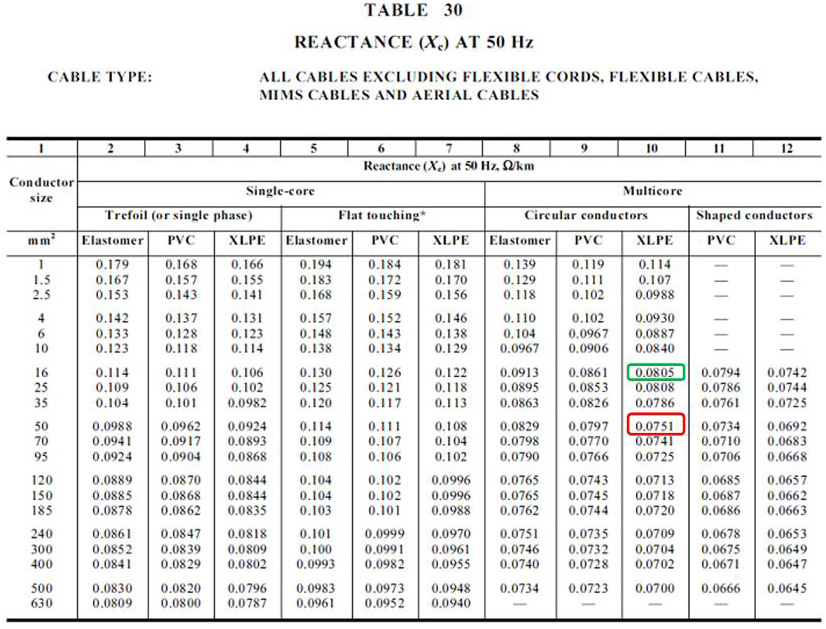
GUIDE TO ELECTRICAL ENGINEERING CABLE BENDING RADIUS
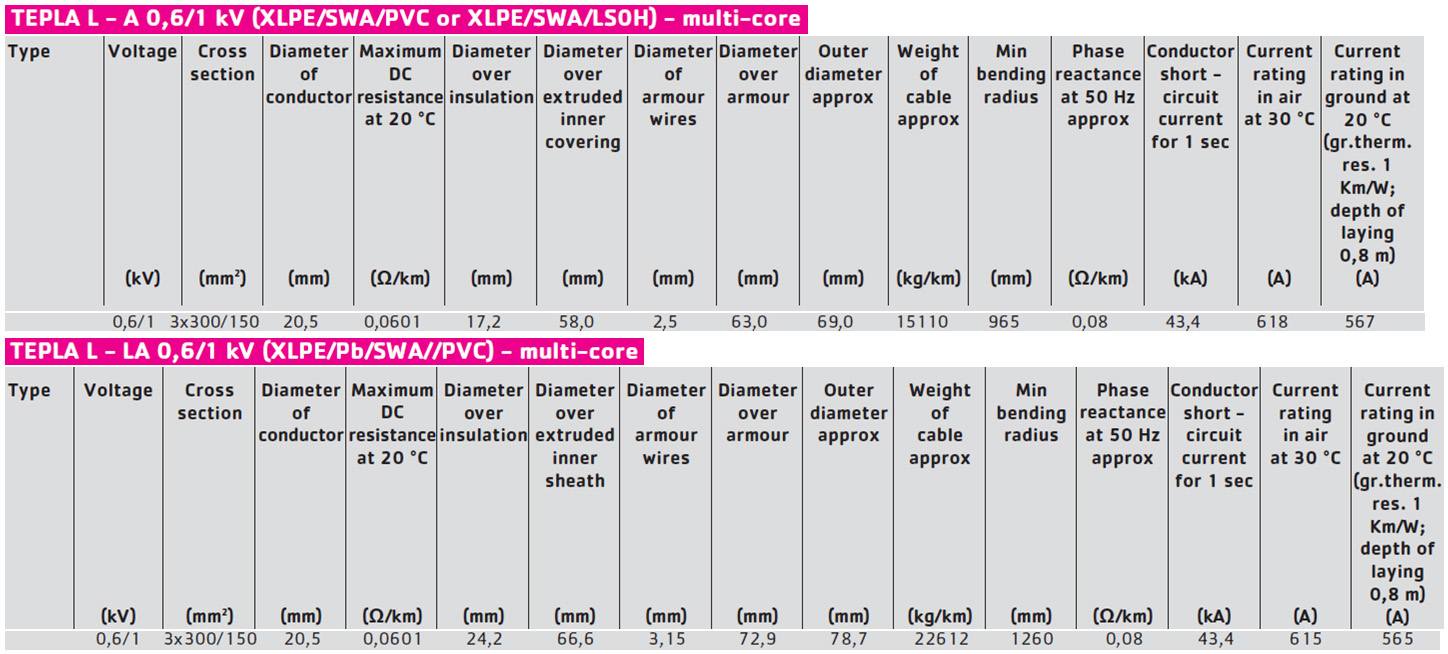
Electrical Wire Bend Radius Chart
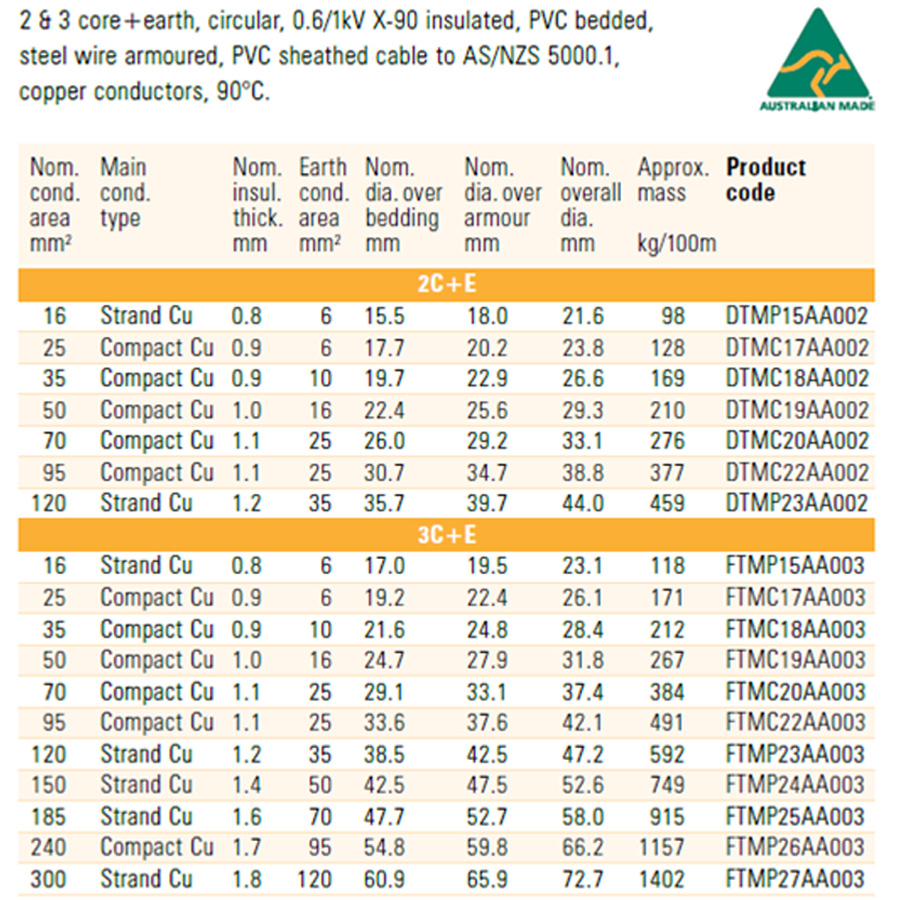
GUIDE TO ELECTRICAL ENGINEERING CABLE BENDING RADIUS

Nec Conduit Bend Radius Chart Best Picture Of Chart
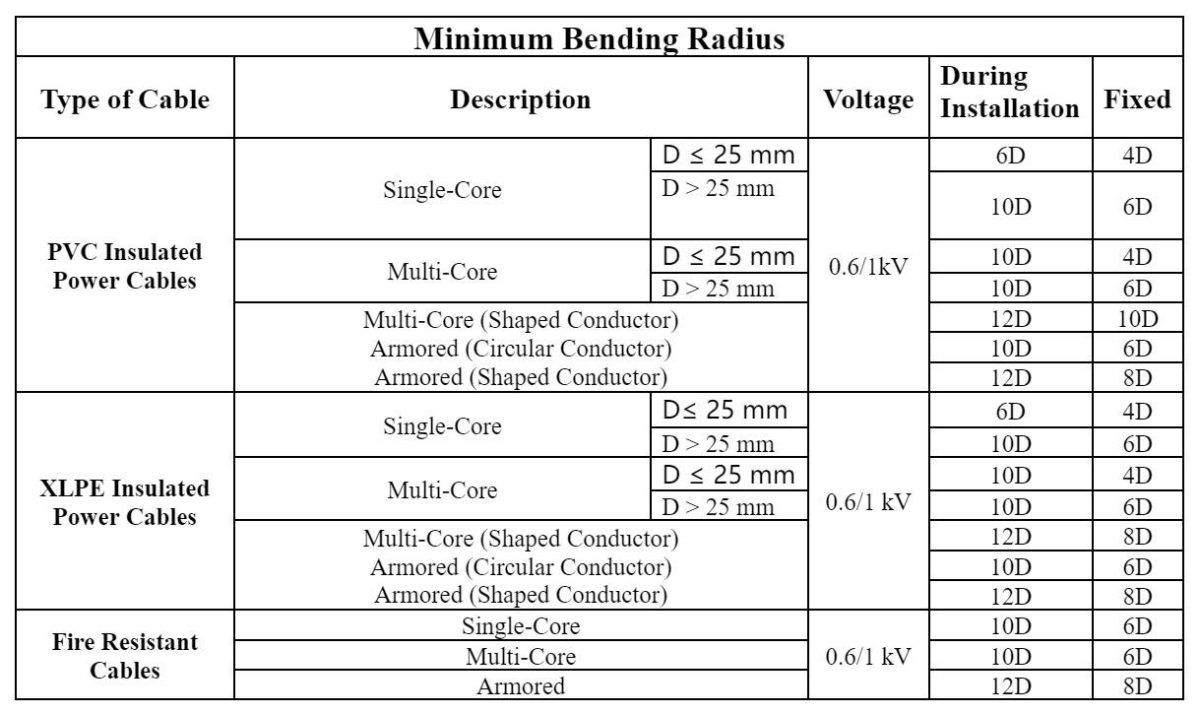
Bend Radius Calculator An Important Tool for Your Cable

Cable Bending Radius Calculation
The Minimum Bend Radius of Cables Cable size calculator AS/NZS 3008
![Minimum Bend Radius Chart [Calculate Wire & Cable Types Bending/NEC]](https://1xtechnologies.com/wp-content/uploads/2022/01/Wire-and-Cable-Minimum-Bend-Radius-Chart-0000-1-1724x2048.png)
Minimum Bend Radius Chart [Calculate Wire & Cable Types Bending/NEC]

CABLE BENDING RADIUS GUIDE TO ELECTRICAL ENGINEERING

Minimum Wire Bend Radius Chart
To Use The Table, Obtain The Cable Diameter From Either The Manufacturer Or By Measuring The Cable If You Already Have It.
Great Servicespecial Offerson Timewire And Cable
Web Bending Radius Information Provided By The Nec (National Electric Code) And The Insulated Cable Engineers Association (Icea) Allows Us To Provide The Following Simple Table To Use As A Guideline.
The Below Three Tables Represents The Minimum.
Related Post: