
Blooms Taxonomy Verb Chart
Blooms Taxonomy Verb Chart - This table of verbs lists cognitive processes that fit into bloom’s six categories and help identify the cognitive complexity or the order of thinking. Web bloom’s taxonomy verb list cognitive domain knowledge comprehension application analysis synthesis evaluation cite add acquire analyze abstract appraise define approximate adapt audit animate assess describe articulate allocate blueprint arrange compare draw associate alphabetize breadboard assemble conclude. Discover a list of action verbs that you can use to form learning objectives. The two graphics show the revised and original taxonomy. Knowledge, comprehension, application, analysis, synthesis, and evaluation. The following is a list of measurable action verbs that can be used when you are creating your learning objectives. Web the chart below arranges bloom's levels of cognitive activity from simple to complex and lists verbs that correspond to each level. Web bloom’s taxonomy is a set of three hierarchical models used to classify educational learning objectives into levels of complexity and specificity. Before we unleash the power of these verbs, a quick refresher on bloom’s taxonomy is in order. The theory is based upon the idea that there are levels of observable actions that indicate something is happening in the brain (cognitive activity.) Many instructors have learning objectives when developing a course. This assists instructors when creating lesson and course objectives. Ask choose follow accept responsibility answer assist be willing to. Web bloom’s taxonomy provides a list of action verbs based on each level of understanding. Web solve problems to new situations by applying acquired knowledge, facts, techniques and rules in a different way. Discover a list of action verbs that you can use to form learning objectives. Adhere to alter arrange classify combine. Web read on and dive into over 200 bloom’s taxonomy verbs that can change the way you frame learning objectives and guide students toward success! Note the change from nouns to verbs associated with each level. Use the chart to help formulate effective learning objectives for your educational events. Examine and break information into parts by identifying motives or causes. Many instructors have learning objectives when developing a course. Use the chart to help formulate effective learning objectives for your educational events. Web solve problems to new situations by applying acquired knowledge, facts, techniques and rules in a different way. Bloom’s taxonomy is a classification of the different outcomes. Lower order thinking higher order thinking. Associate with assume responsibility believe in be convinced give hold select show interest. Web bloom’s taxonomy verb list cognitive domain knowledge comprehension application analysis synthesis evaluation cite add acquire analyze abstract appraise define approximate adapt audit animate assess describe articulate allocate blueprint arrange compare draw associate alphabetize breadboard assemble conclude. The cognitive processes dimension. Web comparing, translating, interpreting, giving descriptions, and stating main ideas. The three lists cover the learning objectives in cognitive, affective, and sensory domains, namely: Web additional information about bloom’s revised taxonomy is available here: Bloom found that over 95 % of the test questions students encounter require them to think only at the lowest possible level.the recall of information. Lower. Web bloom’s taxonomy verb list cognitive domain knowledge comprehension application analysis synthesis evaluation cite add acquire analyze abstract appraise define approximate adapt audit animate assess describe articulate allocate blueprint arrange compare draw associate alphabetize breadboard assemble conclude. The cognitive processes dimension (levels of the taxonomy) and the knowledge dimension (you can find explanations for each type of knowledge after the. This assists instructors when creating lesson and course objectives. The cognitive processes dimension (levels of the taxonomy) and the knowledge dimension (you can find explanations for each type of knowledge after the chart). Bloom’s taxonomy is a classification of the different outcomes and skills that educators set for their students (learning outcomes). Web read on and dive into over 200. Many instructors have learning objectives when developing a course. Discover a list of action verbs that you can use to form learning objectives. Bloom’s taxonomy is a classification of the different outcomes and skills that educators set for their students (learning outcomes). Web comparing, translating, interpreting, giving descriptions, and stating main ideas. Before we unleash the power of these verbs,. Bloom’s taxonomy is a classification of the different outcomes and skills that educators set for their students (learning outcomes). Associate with assume responsibility believe in be convinced give hold select show interest. It consists of 2 main dimensions: This table of verbs lists cognitive processes that fit into bloom’s six categories and help identify the cognitive complexity or the order. Bloom found that over 95 % of the test questions students encounter require them to think only at the lowest possible level.the recall of information. Ask choose follow accept responsibility answer assist be willing to. Web learn what bloom’s taxonomy is and the differences between original vs. Note the change from nouns to verbs associated with each level. Web the. The theory is based upon the idea that there are levels of observable actions that indicate something is happening in the brain (cognitive activity.) The two graphics show the revised and original taxonomy. Associate with assume responsibility believe in be convinced give hold select show interest. Discover a list of action verbs that you can use to form learning objectives.. Web the chart below arranges bloom's levels of cognitive activity from simple to complex and lists verbs that correspond to each level. Many instructors have learning objectives when developing a course. Web bloom’s taxonomy is a set of three hierarchical models used to classify educational learning objectives into levels of complexity and specificity. Web comparing, translating, interpreting, giving descriptions, and. Bloom’s taxonomy is a classification of the different outcomes and skills that educators set for their students (learning outcomes). The cognitive processes dimension (levels of the taxonomy) and the knowledge dimension (you can find explanations for each type of knowledge after the chart). Web solve problems to new situations by applying acquired knowledge, facts, techniques and rules in a different way. Discover a list of action verbs that you can use to form learning objectives. Web bloom’s taxonomy provides a list of action verbs based on each level of understanding. Associate with assume responsibility believe in be convinced give hold select show interest. The taxonomy was proposed in 1956 by benjamin bloom, an educational psychologist at the university of chicago. In 1956, benjamin bloom headed a group of educational psychologists who developed a classification of levels of intellectual behavior important in learning. This assists instructors when creating lesson and course objectives. Many instructors have learning objectives when developing a course. Web bloom’s taxonomy of measurable verbs benjamin bloom created a taxonomy of measurable verbs to help us describe and classify observable knowledge, skills, attitudes, behaviors and abilities. Web additional information about bloom’s revised taxonomy is available here: These verbs may also be considered beyond the realm of cognitive tasks in the domains of affective and psychomotor learning (harrow, 1972; Note the change from nouns to verbs associated with each level. Make inferences and find evidence to support generalizations. Web updated the taxonomy to reflect relevance to 21st century work.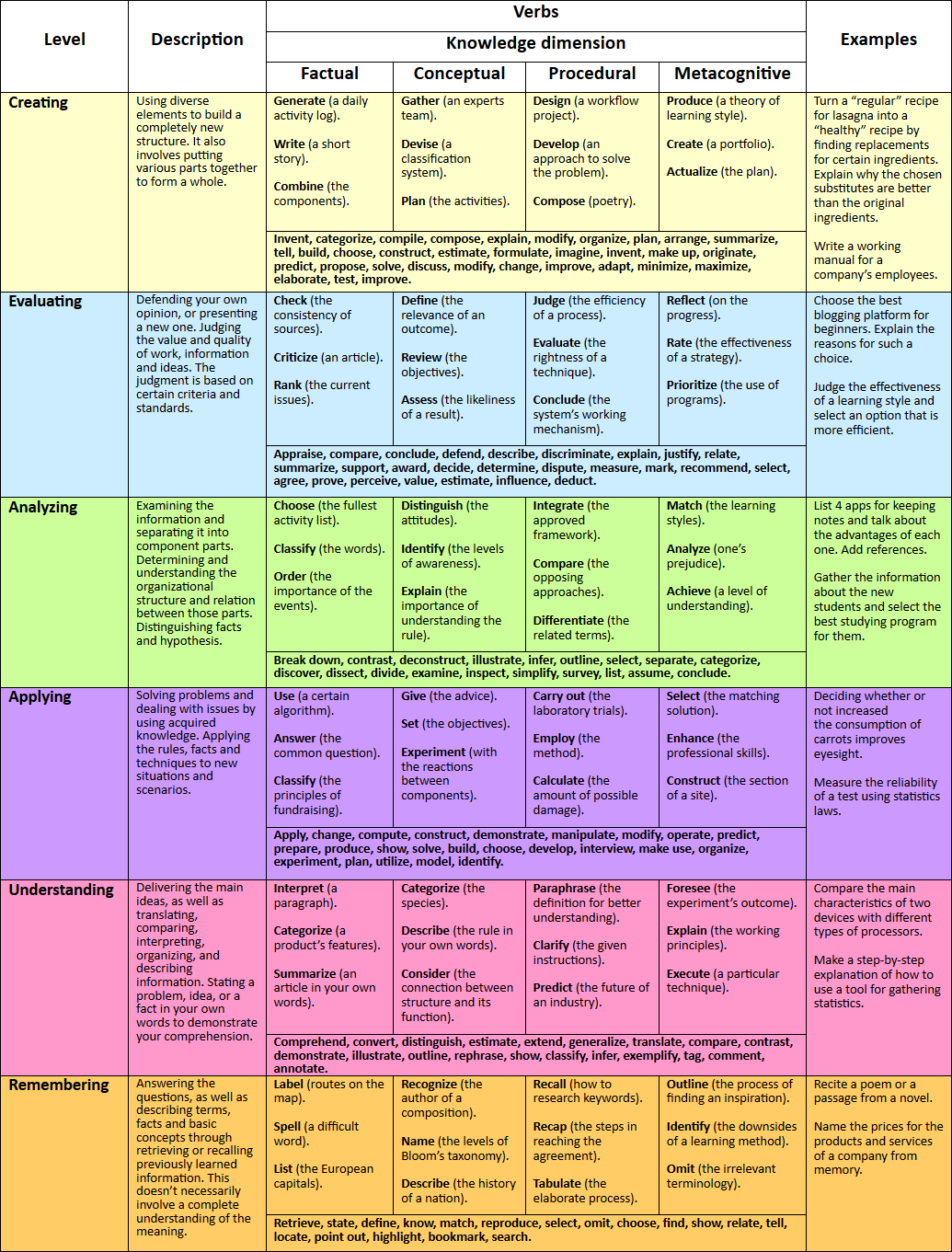
Bloom's Taxonomy 2024 Verbs, Chart, & How to Use This All

Bloom's Taxonomy Verbs Free Classroom Chart
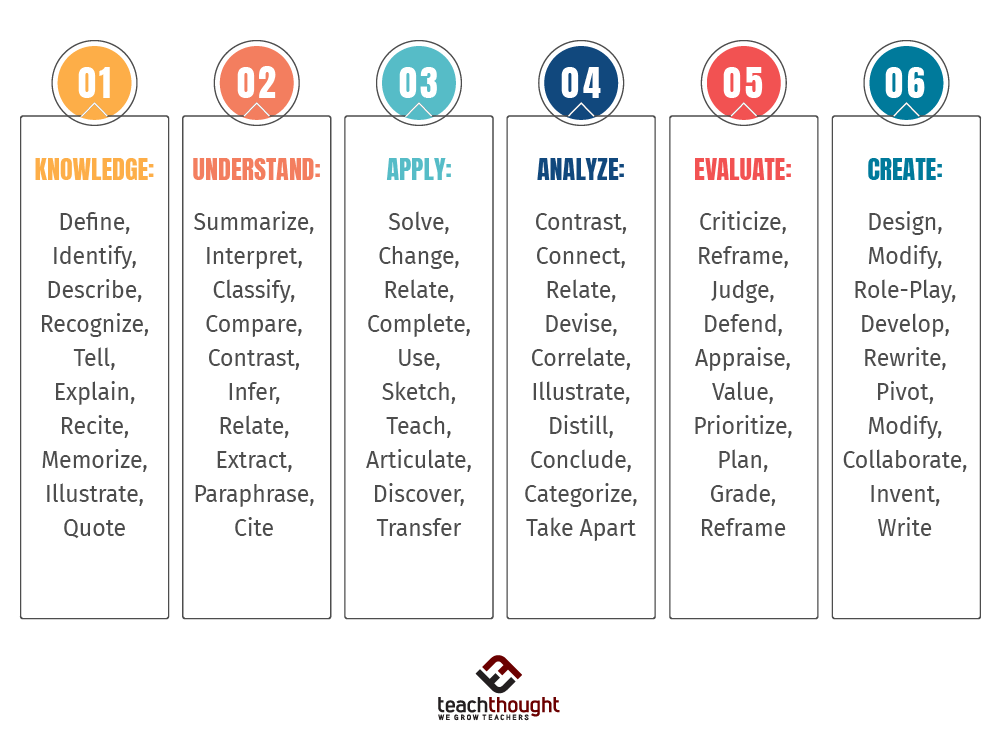
100+ Bloom's Taxonomy Verbs For Critical Thinking

Bloom's Taxonomy Verbs Printable
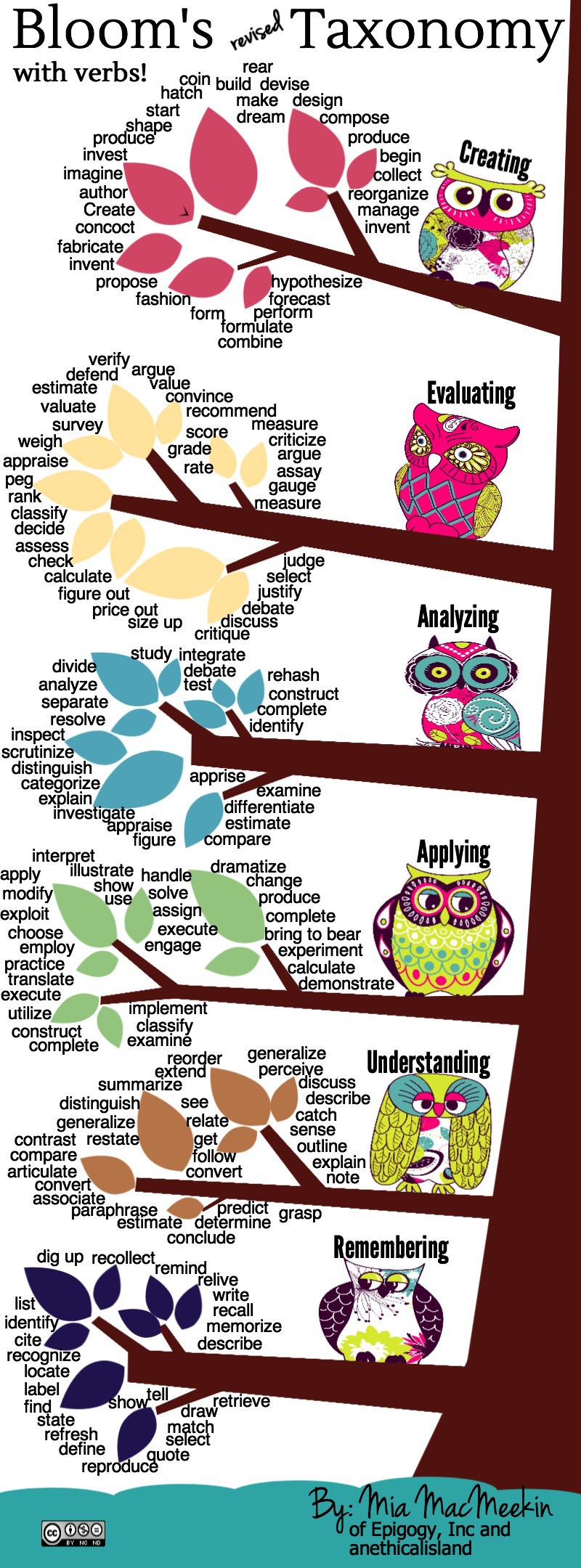
Bloom's Revised Taxonomy Action Verbs infographic eLearning Infographics

Printable Bloom's Taxonomy Verbs

Bloom's Taxonomy Bloom's Taxonomy Education
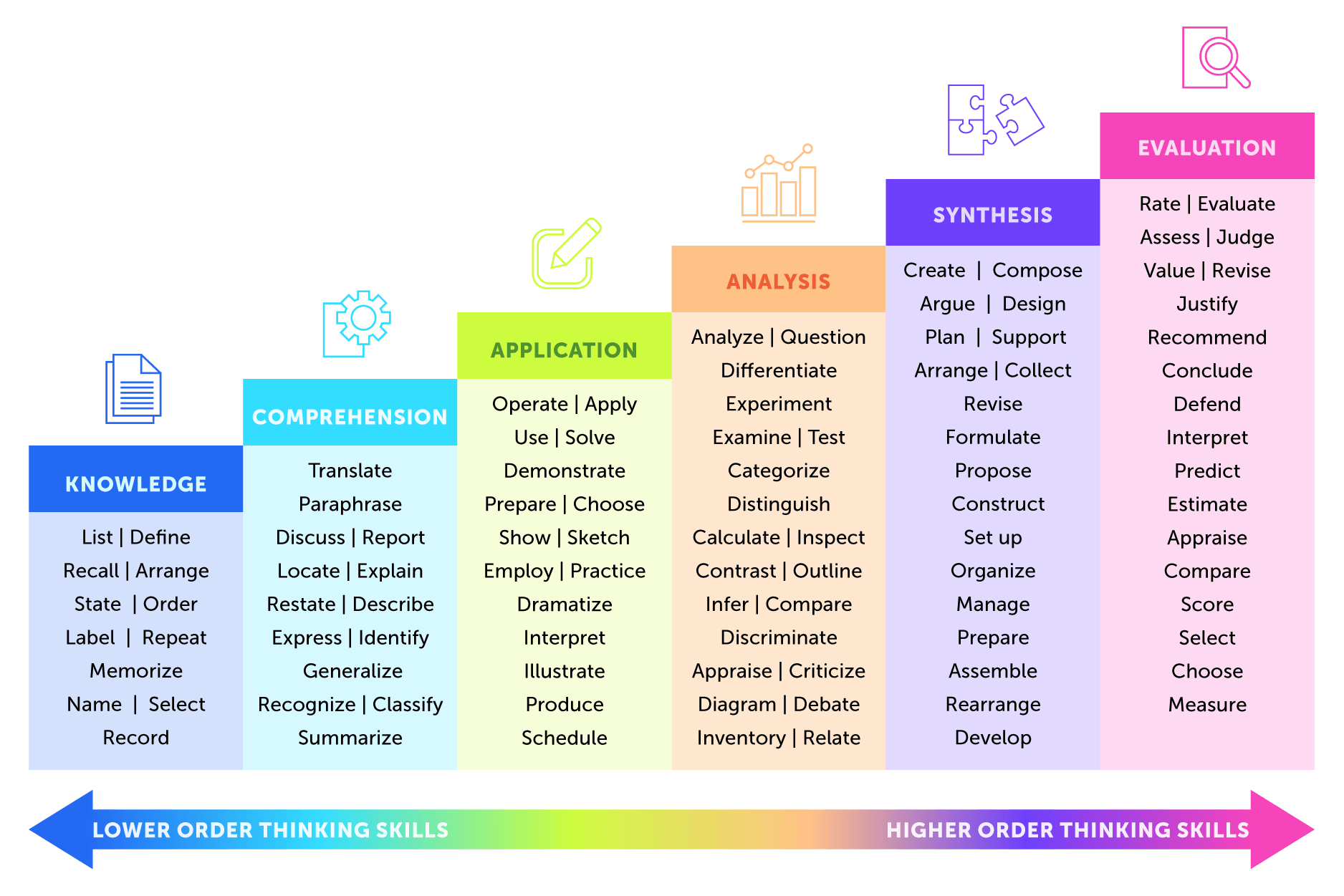
Bloom’s Taxonomy for Effective Learning 47 Verbs for Objectives

Bloom's Taxonomy Verb Chart
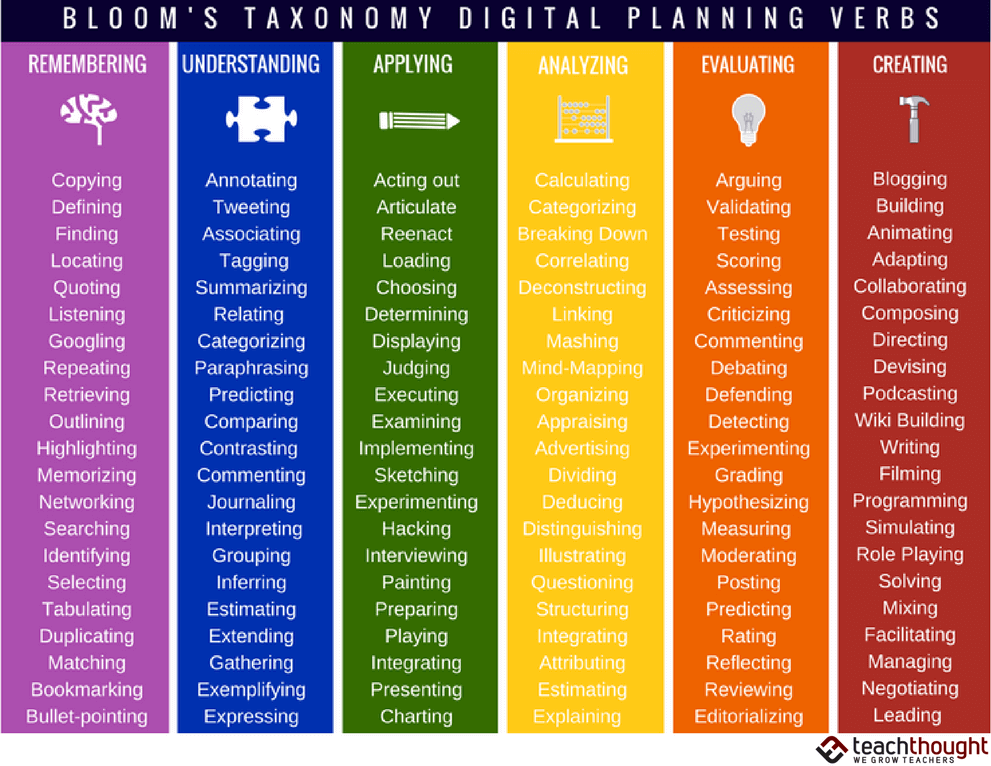
126 Bloom's Taxonomy Verbs For Digital Learning TeachThought
Knowledge, Comprehension, Application, Analysis, Synthesis, And Evaluation.
In The Chart Below, You Can See The Cognitive Domain Of Bloom’s Revised Taxonomy In Its Entirety.
It Consists Of 2 Main Dimensions:
The Following Is A List Of Measurable Action Verbs That Can Be Used When You Are Creating Your Learning Objectives.
Related Post: